Across the Map · United States
Lanai cushions for Hawaii homes, windward and leeward
The sun works every month, the trade winds take anything that isn't tied down, and the soil is red. Build the lanai cushion for all three and it will earn its keep.
- Sun & UVIntense
- HumidityHumid
- RainWindward wet, leeward dry
- WinterNone

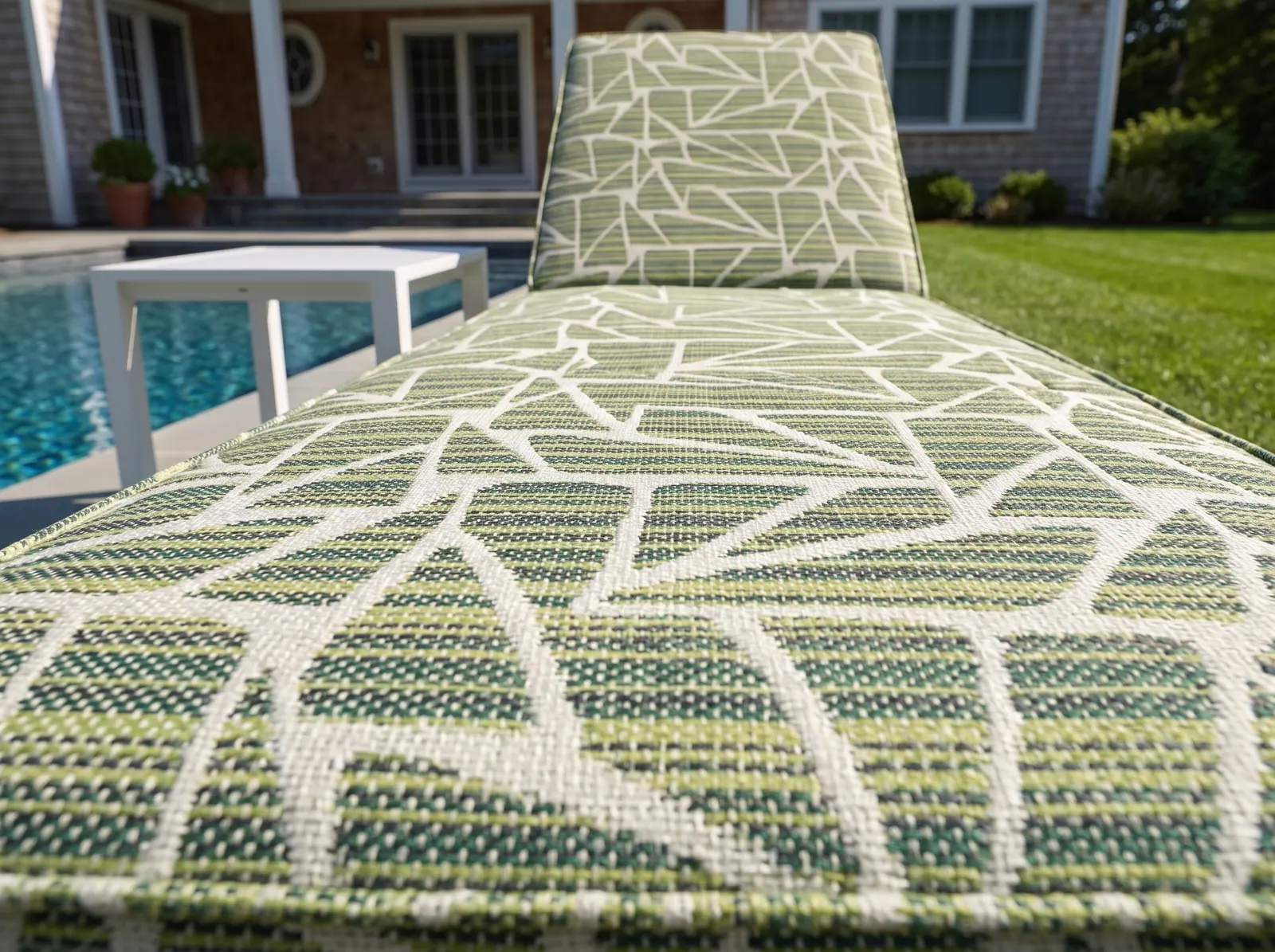 Save
The quick answer
Hawaii lanai cushions need outdoor-rated, UV-resistant, water-repellent fabric on anything the lanai exposes, because island sun stays strong even in December. Add ties or a non-slip base against trade winds, choose mid tones over white where red dirt travels, and keep zippered covers you can wash. Skip tufting outdoors, and bring cushions inside when a storm is forecast.
Field notes
Weather and light in Hawaii
- Sun & UVIntense (level 4 of 4)Strong sun all year
- HumidityHumid (level 3 of 4)Warm, humid air cooled by the trade winds
- Rain & stormsWindward wet, leeward dry (level 3 of 4)Showers on windward coasts; leeward sides are drier
- Snow & freezeNone (level 1 of 4)None at sea level
Watch for
- Salt air
- Trade winds lift loose cushions
- Red dirt
Plain-language levels from general climate patterns, not measurements. Your own porch, shade and window exposure matter more.
Twelve months of sun and a northeast wind
Honolulu's noon UV index averages about 12 in July and still about 6 in December. On the mainland, winter gives fabric a rest. Here it doesn't, so fade resistance is the first question every month.
Then the trade winds. From May to September they blow 80 to 95 percent of the time, mostly from the northeast, and a light cushion on an open lanai leaves without asking. Ties or a non-slip base keep it home.
Rain depends on your side of the island: Hilo gets about 120 in a year, Honolulu about 16. Windward cushions live in damp, leeward ones in hard sun. Rain doesn't negotiate, so on the wet side keep cushions under the roof.
And the dirt is red. Volcanic soil is rich in iron oxide, and on pale fabric the stain behaves like rust.
Plantation houses, condos and the lanai between
Plantation-style homes came with wide lanais, deep overhangs, single-wall construction and jalousie windows. The louvers let the breeze through, and the breeze carries humidity and salt, so the indoor daybed is half outdoors. Honolulu condos and mid-century homes open their lanais to the wind; newer builds blur the wall altogether.
The seats follow the house: lanai sectionals and outdoor sofas, loungers, benches along an open rail, daybeds, and floor sofas in condo living rooms.
My rule, friend: if salt air reaches the room, choose easy-clean fabric even indoors. Linen-look fabric behind glass, outdoor fabric anywhere the lanai can touch it; outdoor cloth works inside too where spills or damp are likely. Before you choose, read what outdoor fabric is made of. Which side of the island is your lanai on?
Lanai seat by lanai seat
| Where it lives | Fabric | Build | Wind and weather |
|---|---|---|---|
| Open lanai sectional | Outdoor fabric, UV-resistant and water-repellent | Zippered cover, no tufting | Ties at the back corners; inside before a storm |
| Lounger by the pool | Outdoor fabric in a mid tone | Plain foam cushion | Stand it on edge to drain |
| Bench along an open rail | Outdoor fabric | 2 in (5 cm) with a non-slip base | The base grips by friction, no adhesive |
| Lanai under a solid roof | Indoor fabric, if rain and direct sun never reach it | Standard foam | Outdoor fabric if pollen or damp get in |
| Condo floor sofa | Corduroy or soft fabric | Medium-hard seat foam, non-slip fabric underneath | Keep it out of salt spray |
| Windward daybed by jalousies | Outdoor fabric, used indoors | Zippered, washable covers | Air it often |
The workshop's outdoor line is a UV-resistant, water-repellent polyester, not solution-dyed acrylic. It has no quick-dry foam or mesh bottom, so outdoor cushions last longest under a roof and brought in when the weather turns.
Picked for Hawaii
Seats to start from
Fabric families
Try it in the Studio
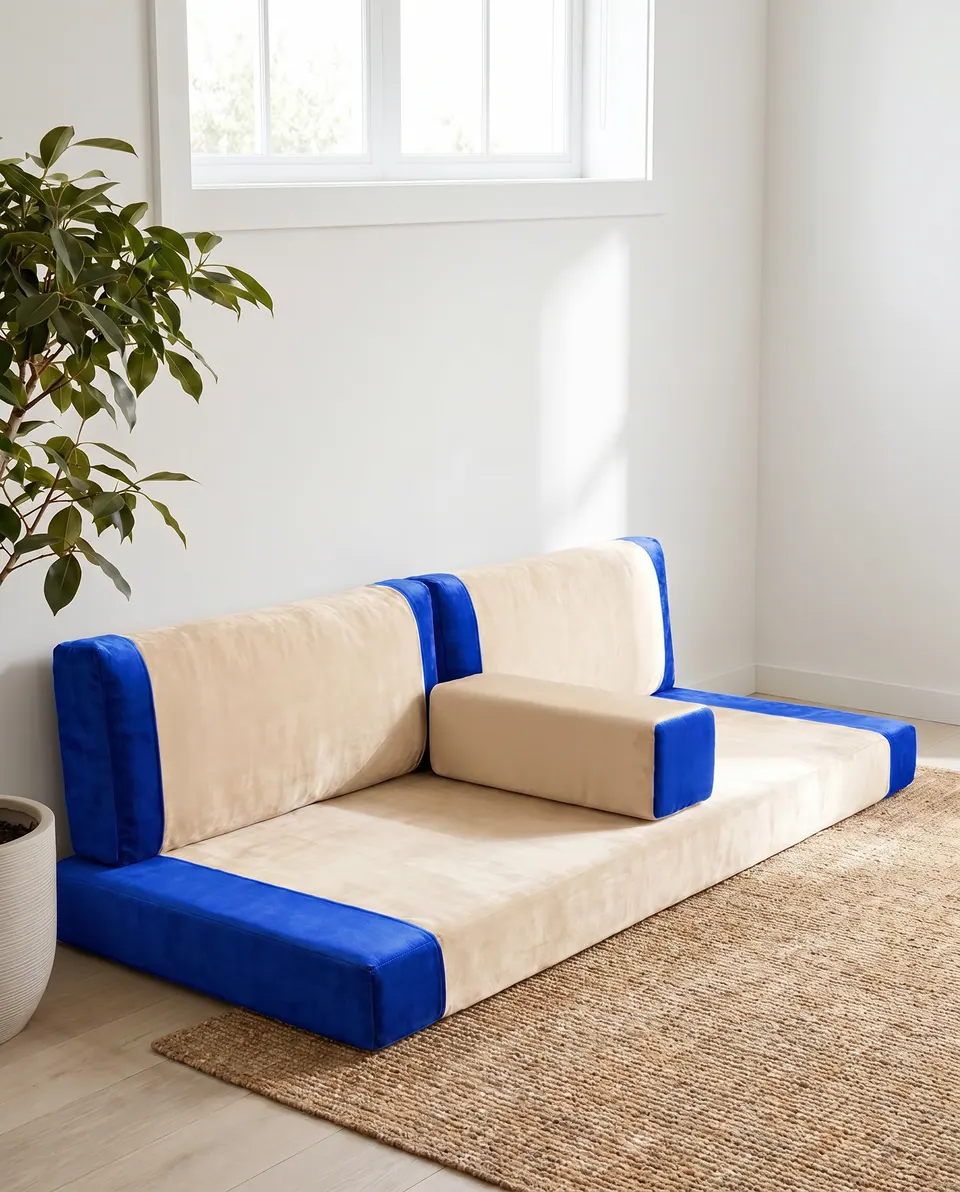
A floor sofa that waited for the move to Hawaii
A couple in the US wanted to lock in the price on an open-corner modular floor sofa before moving to Hawaii. Move-in was weeks away. The workshop had them write the delivery date they wanted in the order, and held it.
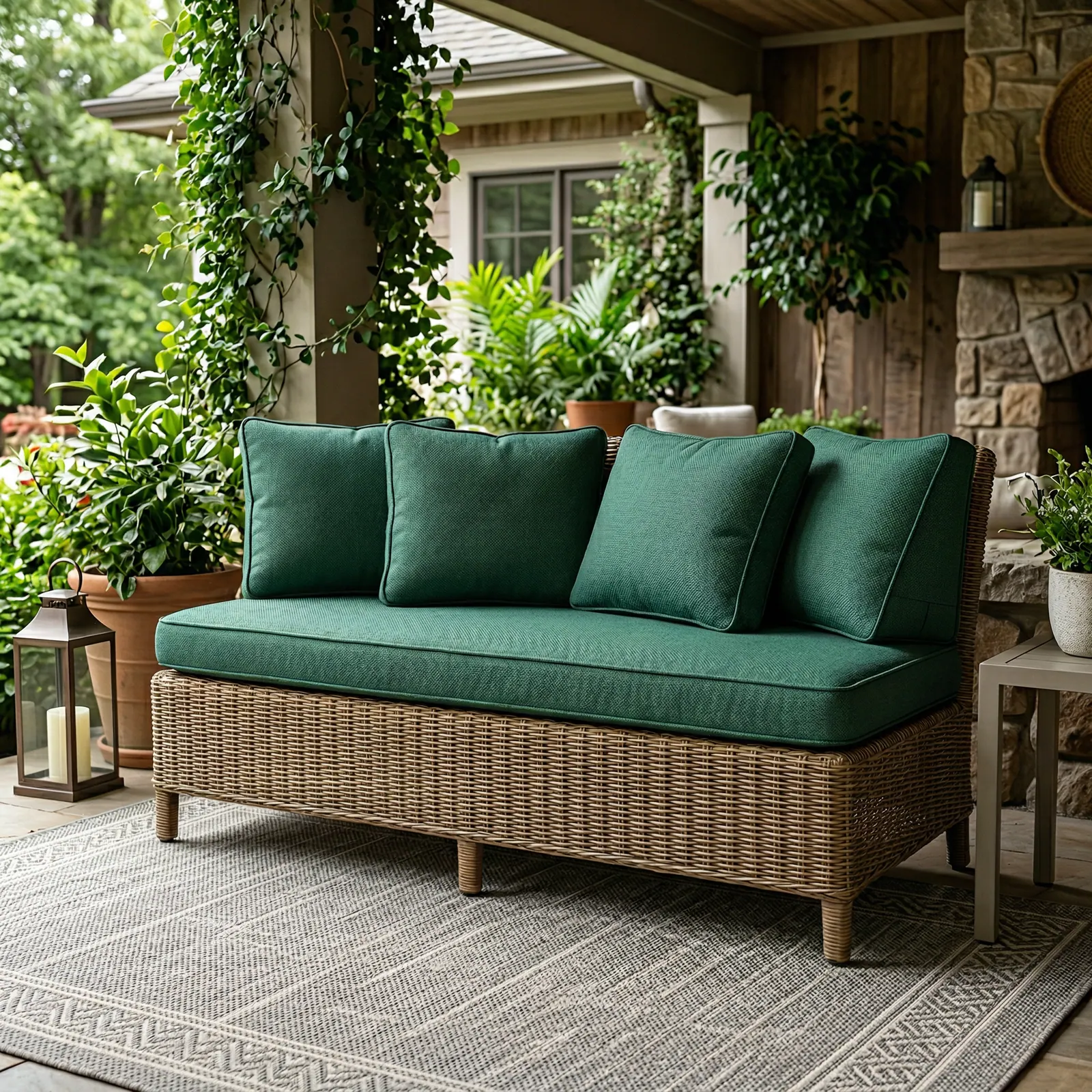
Somewhere in those weeks they changed the color: dark brown corduroy became green. A good call for a bright island room.
Then the part I respect. The first set had sat compressed so long that the workshop worried the foam might not recover its shape. So it made a fresh set and shipped that one. Foam is patient, but not that patient. The couple wrote back praising the steady communication.
- Measured
- Open-corner modular floor sofa in corduroy
- What it taught
- Compressed foam that waits too long can lose shape; for a delayed move, ship close to the date or make the set fresh.
Lanai habits for a year with no off-season
- Rinse salt off outdoor covers with fresh water now and then; dry fully before zipping.
- Stand wet cushions on edge in the shade to drain.
- Brush red dirt off while it is dry, then unzip and wash the cover instead of scrubbing it on the foam.
- May to September: tie down or bring in light cushions on the windiest days.
- June 1 to November 30 is central Pacific hurricane season: know where every cushion goes indoors.
- Order long benches in pieces one person can carry through the slider.
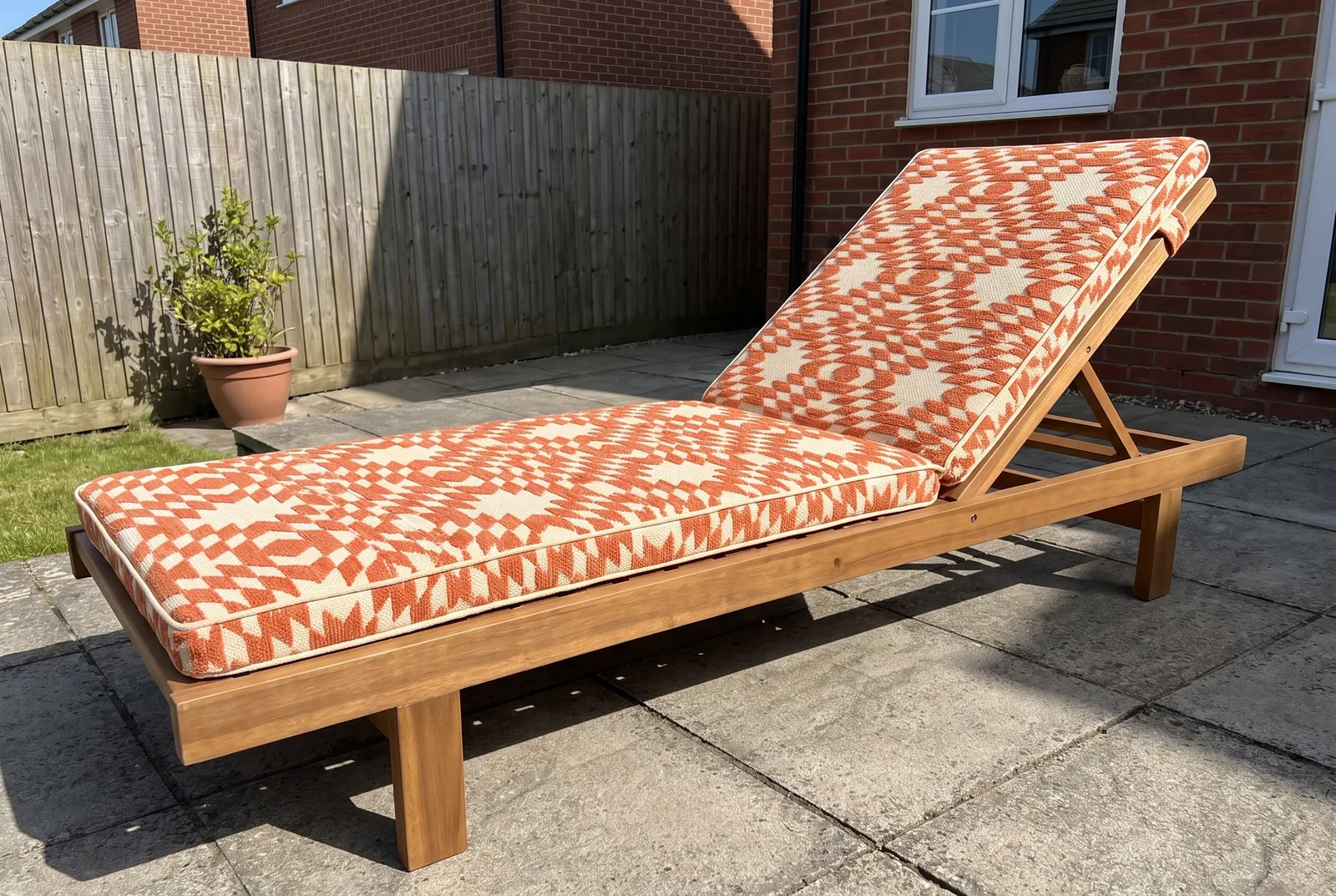
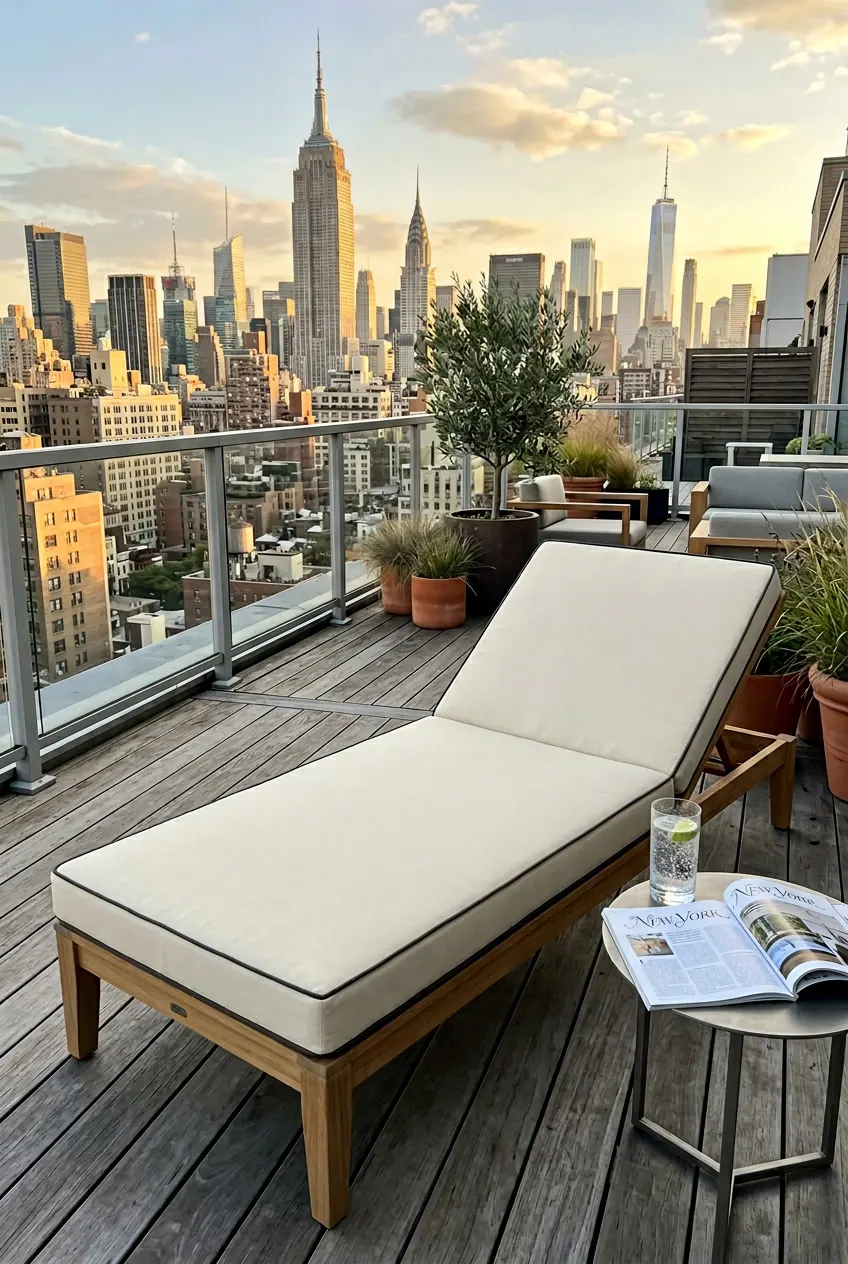
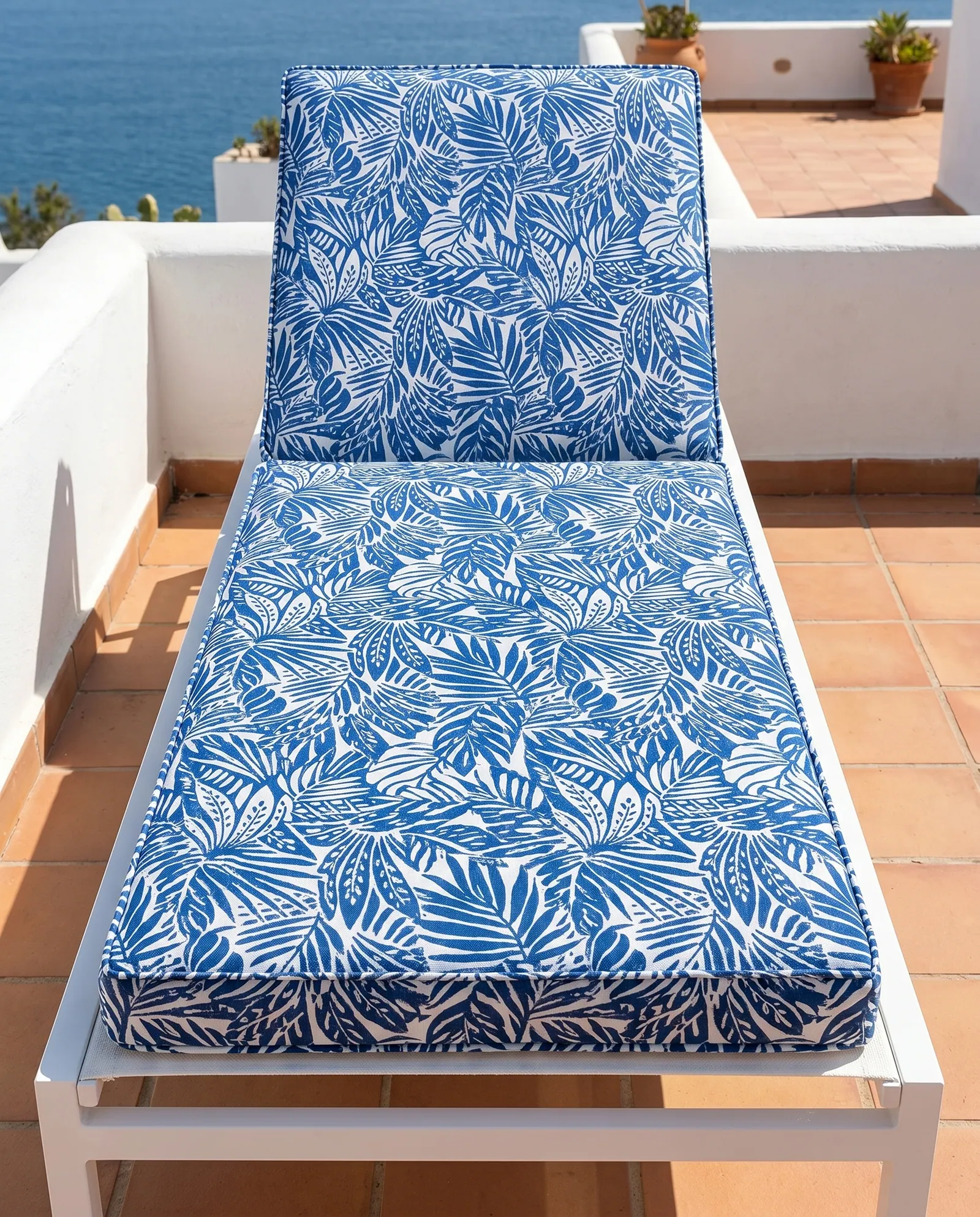
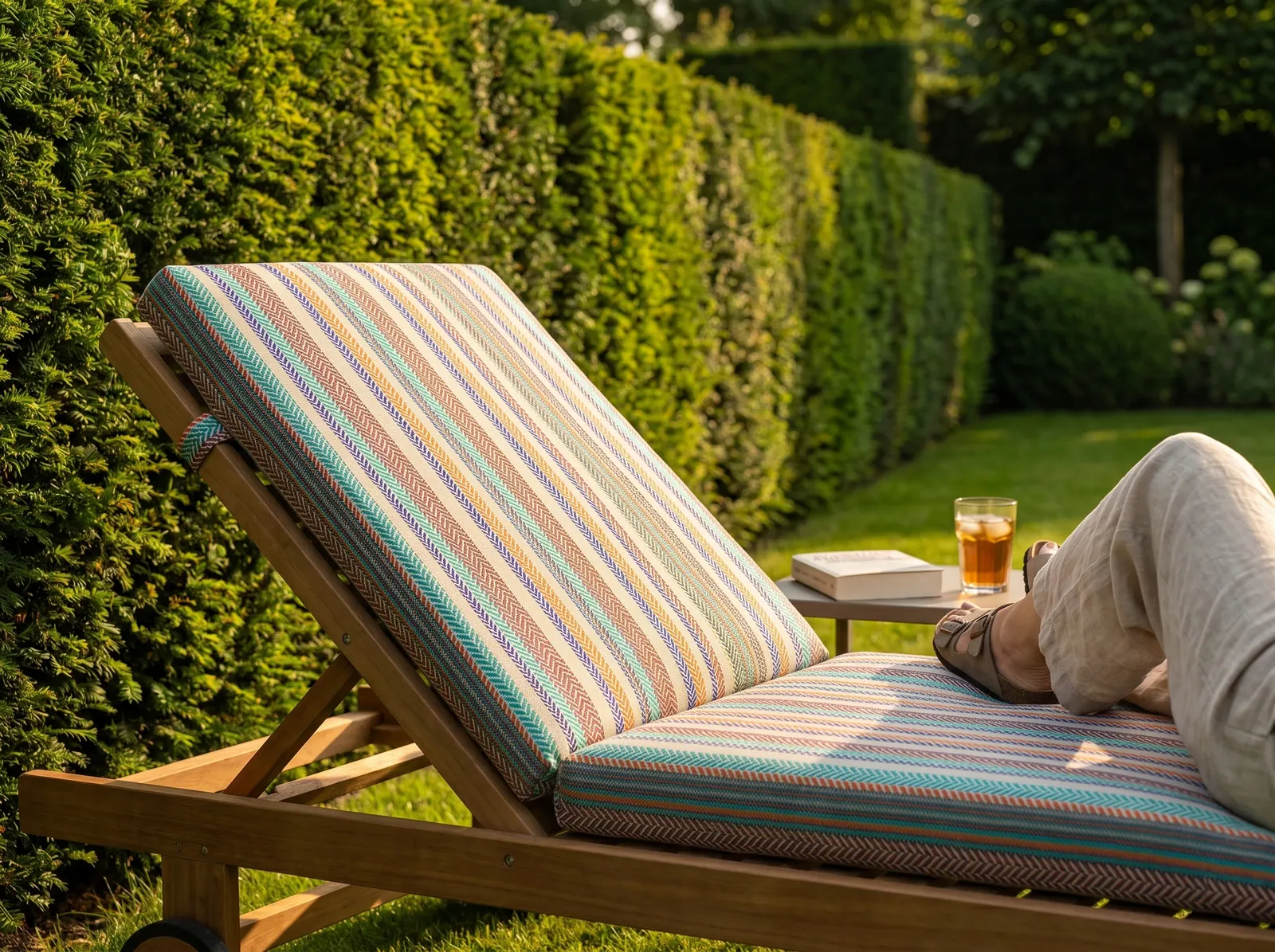
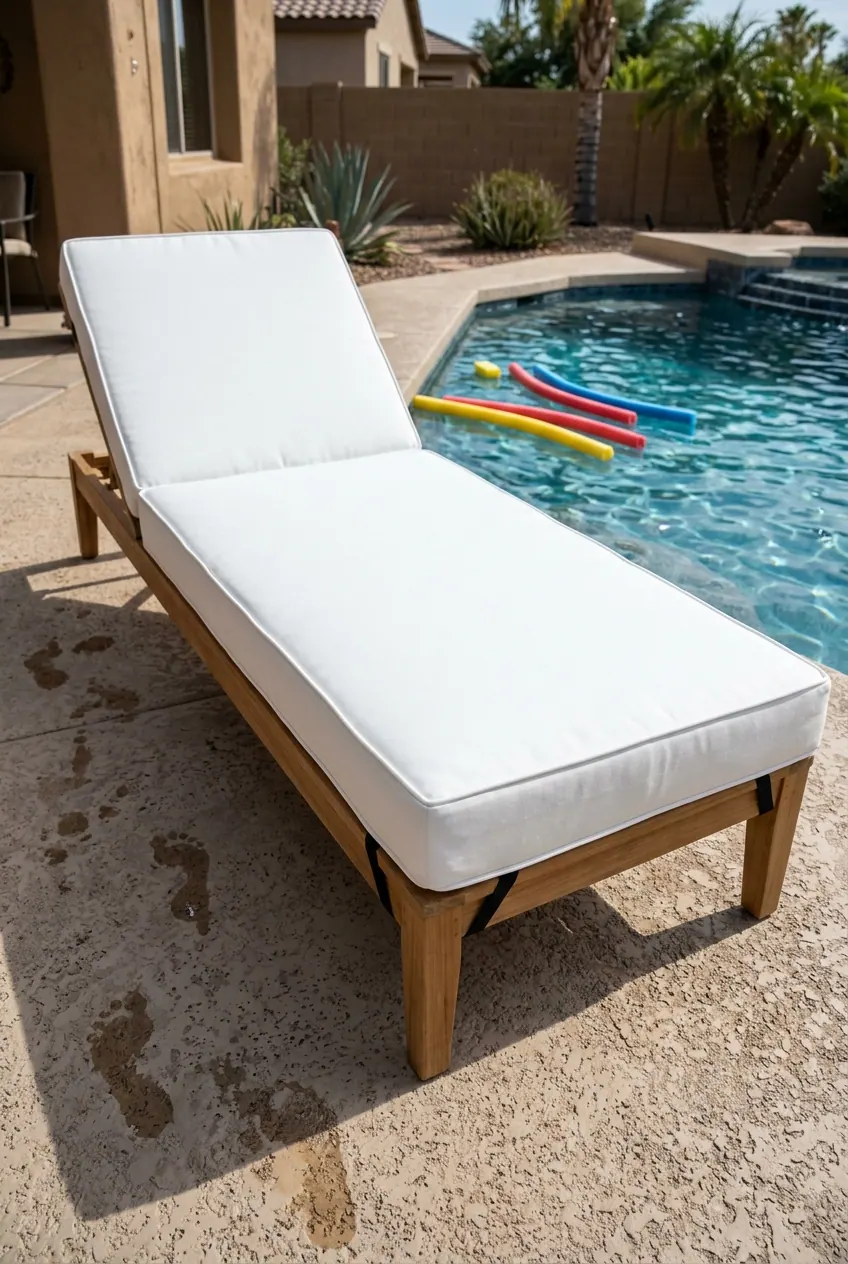
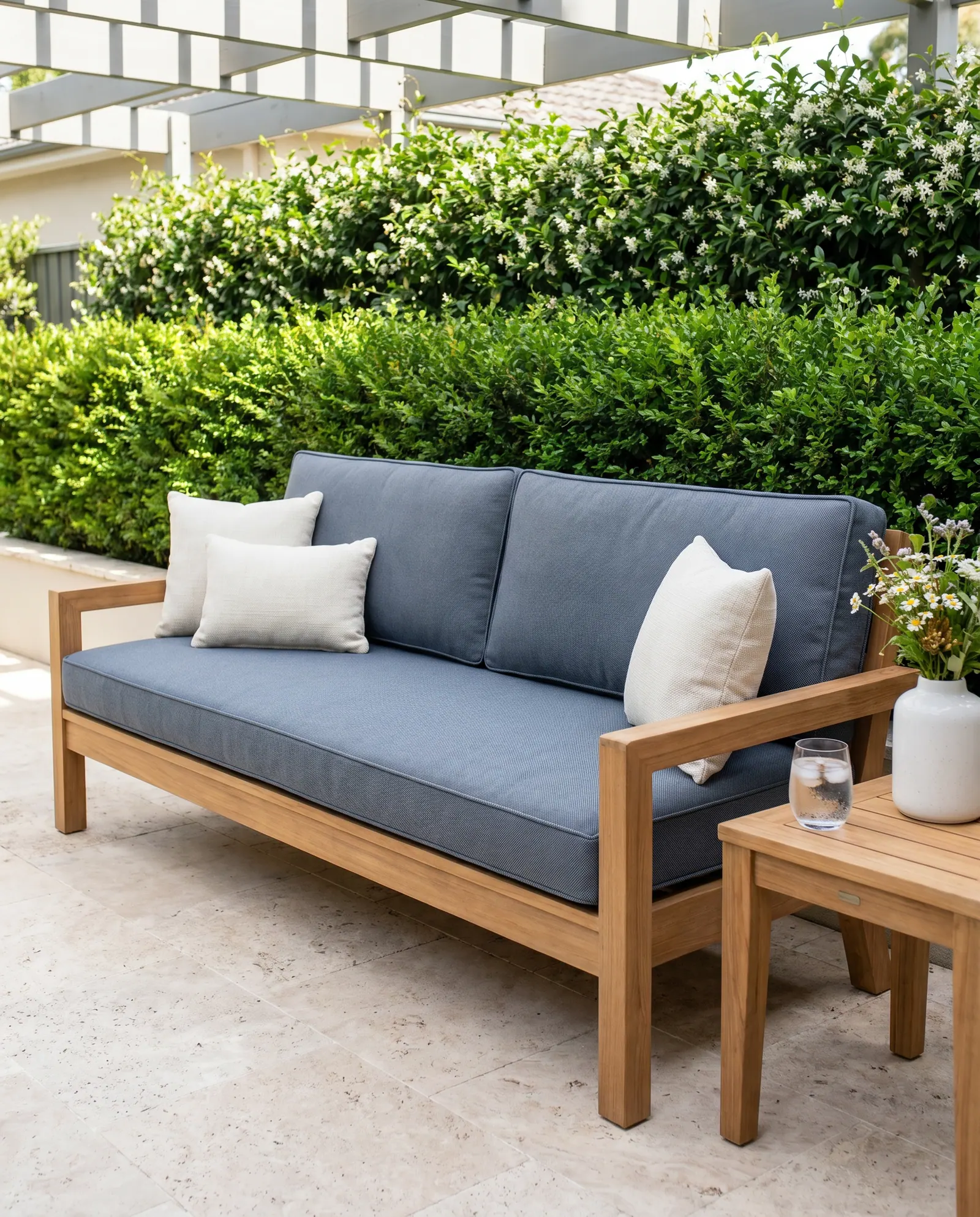
Photographs for homes like these
Open any photograph large; each one has its own link and a Save button.
 Save
 Save
 Save
 Save
 Save
 Save
 Save
Trade winds blow most days from May to September, so a Hawaii lanai cushion needs ties at the back corners or a non-slip base, not just good intentions.
Callum
Island questions
- A common question
Is your outdoor fabric a branded solution-dyed acrylic?
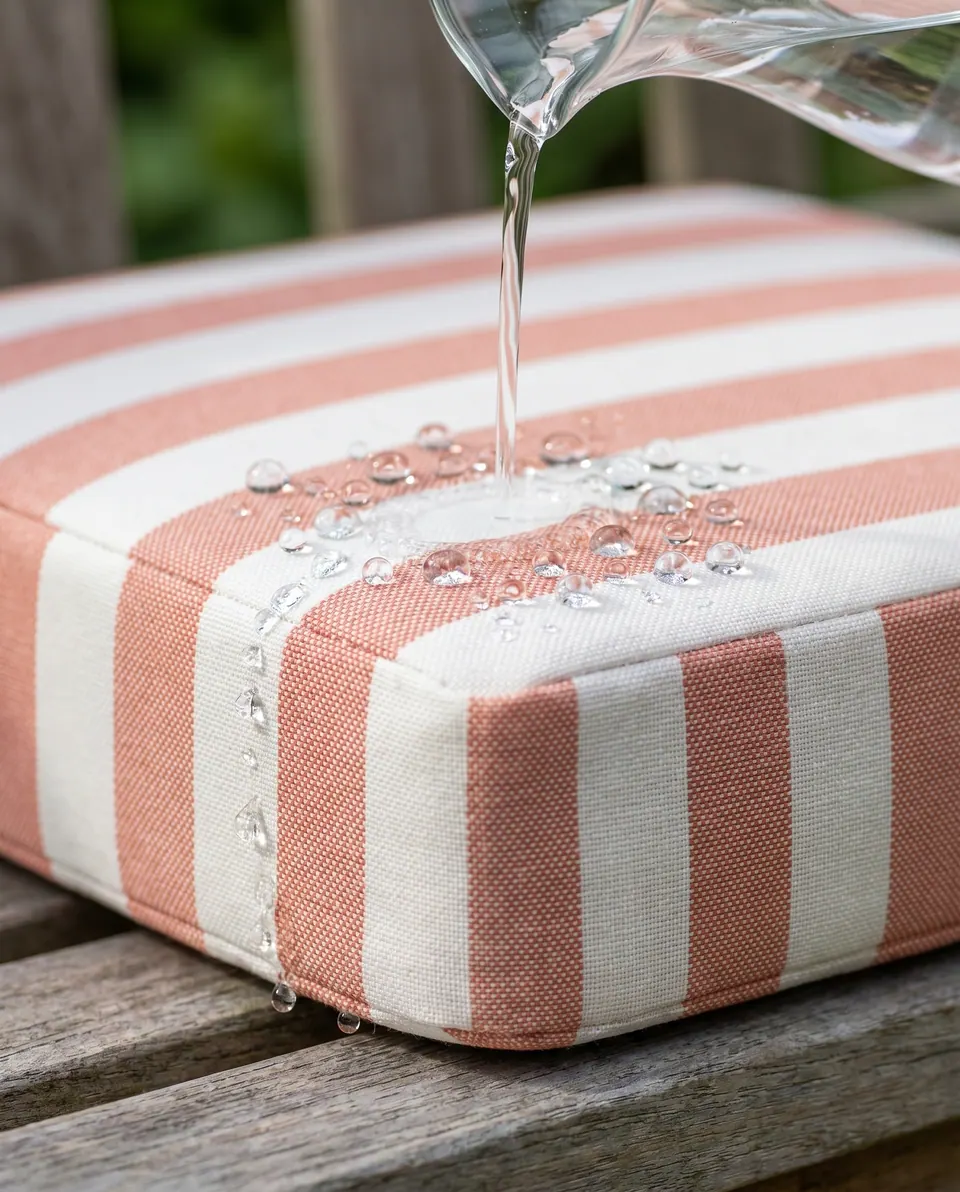
The workshop's answerNo. The outdoor fabrics are polyester with a water-repellent, UV-resistant finish, so they shed water, resist fading and clean easily. UV rating and fabric weight vary from one fabric to the next and are shared once you pick one.
- A common question
What zippers and stitching do you use on outdoor cushions?
The workshop's answerHidden, high-quality zippers, concealed as far as possible, with double-stitched seams. Outdoor projects can have a concealed heavy-duty zipper and UV-resistant thread.
- A common question
Can I order a fabric from the indoor range for my lanai?
The workshop's answerNo. Indoor fabrics are for indoor use only. Outdoor cushions come from the outdoor charts, which are all outdoor-rated, water-repellent and UV-resistant. If you picked an outdoor code from samples, order it through the outdoor listing too.
- A common question
Our lanai has a solid roof. Are regular cushions fine there?
The workshop's answerYes, if rain and direct sun never reach them, though regular fabrics aren't waterproof. Where pollen, dust and humidity get in, or the space is open to the sky, outdoor fabric is the better pick, and samples can come first.
- A common question
Can you add velcro so the cushion doesn't blow off the bench?
The workshop's answerTies or a non-slip bottom are the usual answer. Velcro tabs and snaps aren't made, though a two-sided strip has been added on request at extra cost: one side sewn under the cushion, the other for you to fix to the bench.

Have it made
Have it made for your home — ask Callum’s workshop
Tell them where it lives. Porch, deck or boat: the weather picks the fabric and the foam before anyone else does. — Callum
Leave your details and the workshop will call you to confirm measurements, fabric, foam and piping. No prices, dates or payment on this page: it is a request, not an order.
What lanai owners ask next
Why do lanai cushions in Hawaii fade even in winter?
Because island sun doesn't take a season off. Honolulu's noon UV index still averages about 6 in December, strong enough to fade fabric left in the same patch of sun. Use outdoor fabric, and turn cushions that bake all day.
Should an outdoor lanai cushion be tufted?
No. A zippered outdoor cushion is made without tufting, and tufts would let water in anyway. If a plain cushion feels too plain, send a reference photo of a French seam or piped edge; the workshop can copy that edge detail.
Do chair back cushions on a lanai always need straps?
Not always. One buyer in the US ordered seven 15 x 25 in back cushions and six 25 x 25 x 5 in seats with straps. After seeing photos of the chairs, the workshop suggested double piping, which gives backs enough structure to stay put.
Which cushion colors hide red dirt best?
Mid tones such as sand, stone, sage, clay or slate. Red dirt stains behave like rust on pale fabric, so white shows every footprint. Whatever the color, choose a zippered cover that comes off for washing.
Fair winds — Callum
Concept Sketches
Sketches for homes like these
Real projects, drawn up as ideas you can borrow.
The atelier
Keep going
Across the Map
Nearby places
Close by on the map