Concept Sketches · 9 scenes
Sage green bench cushions, olive and khaki: greens that aren't 'a green green'
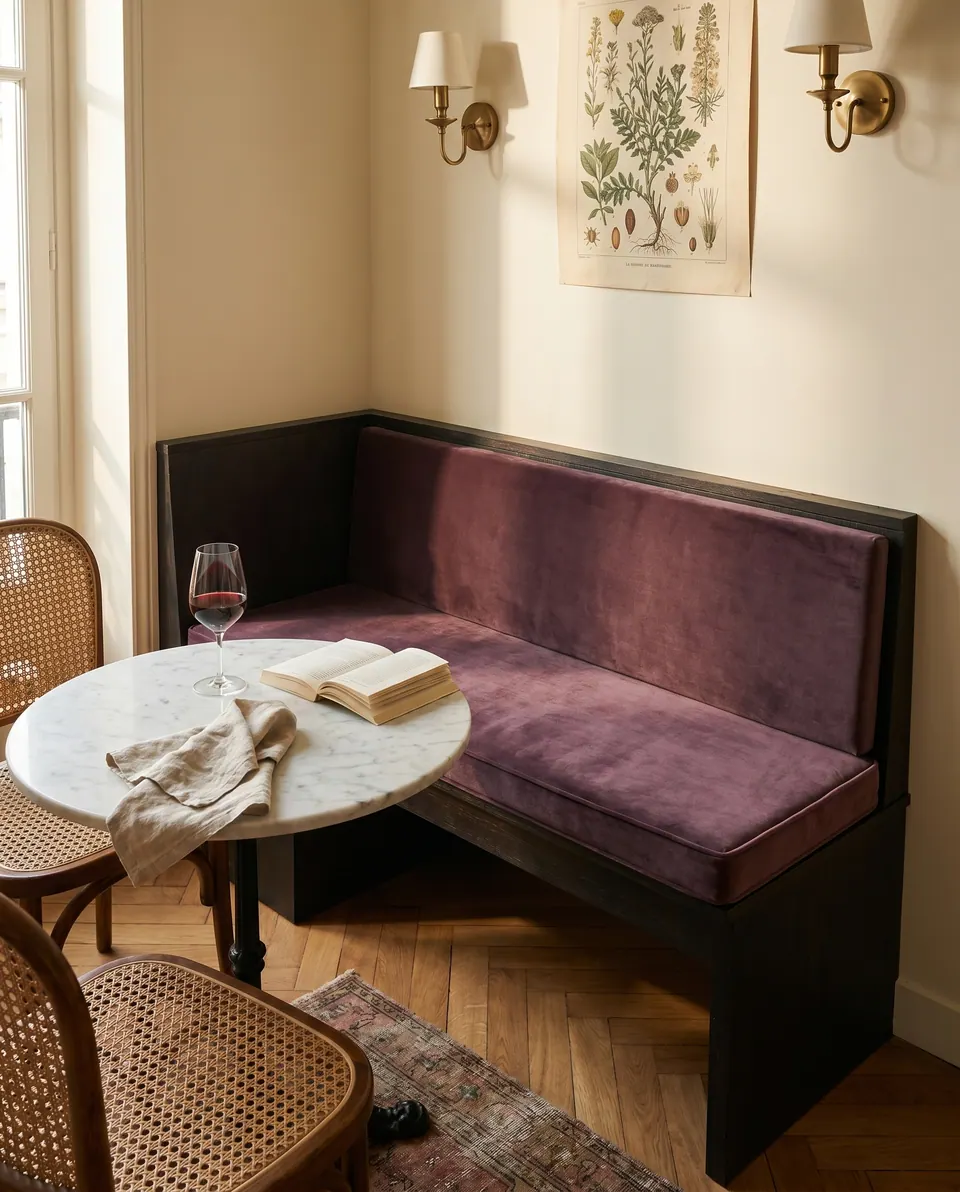
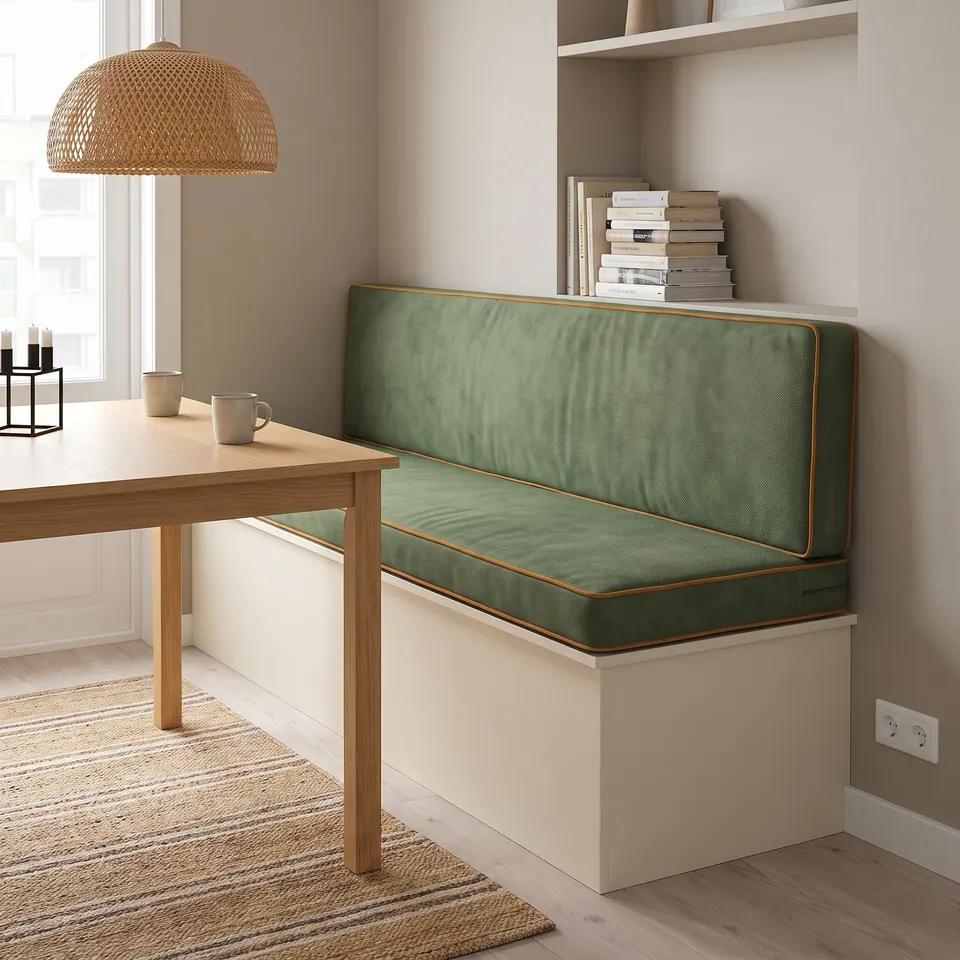
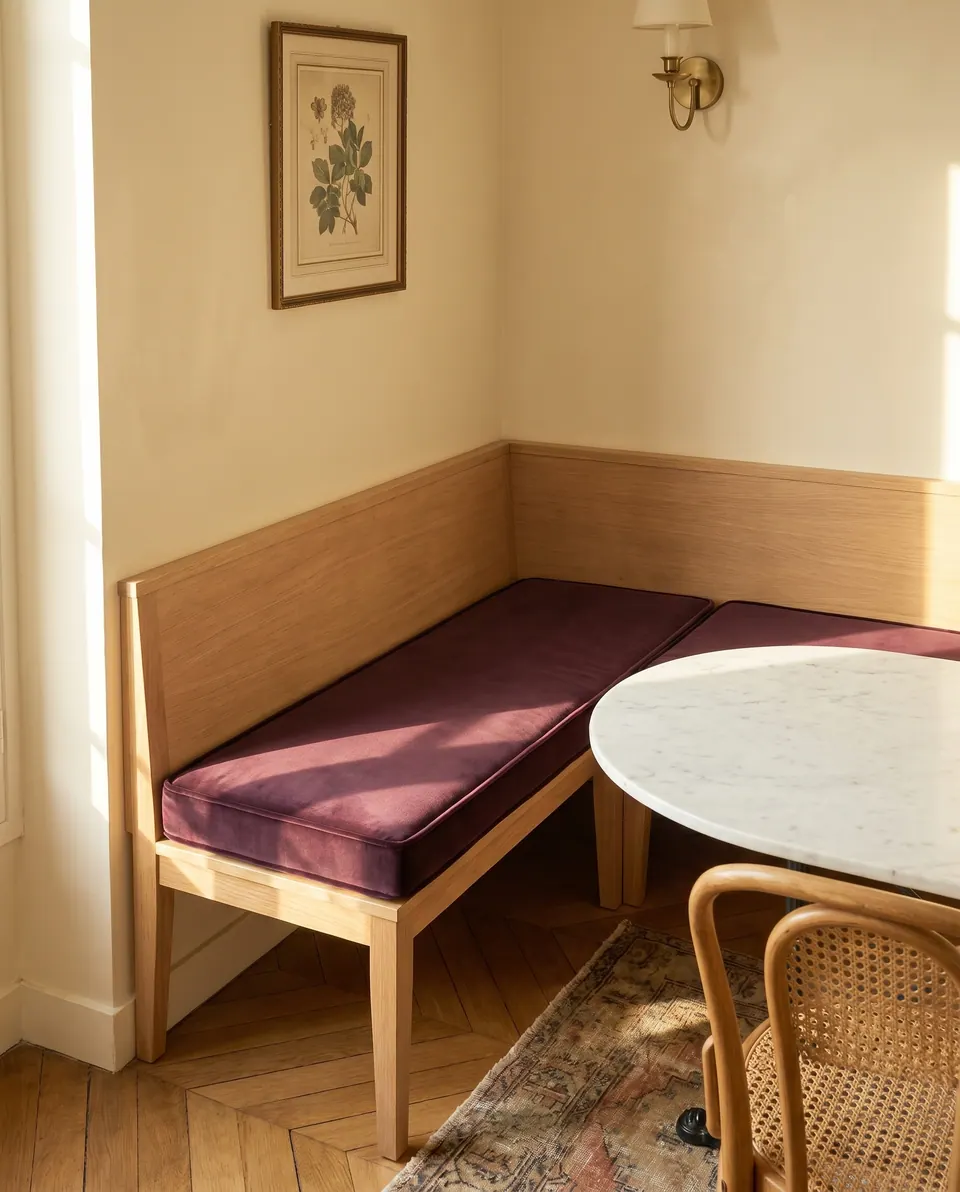
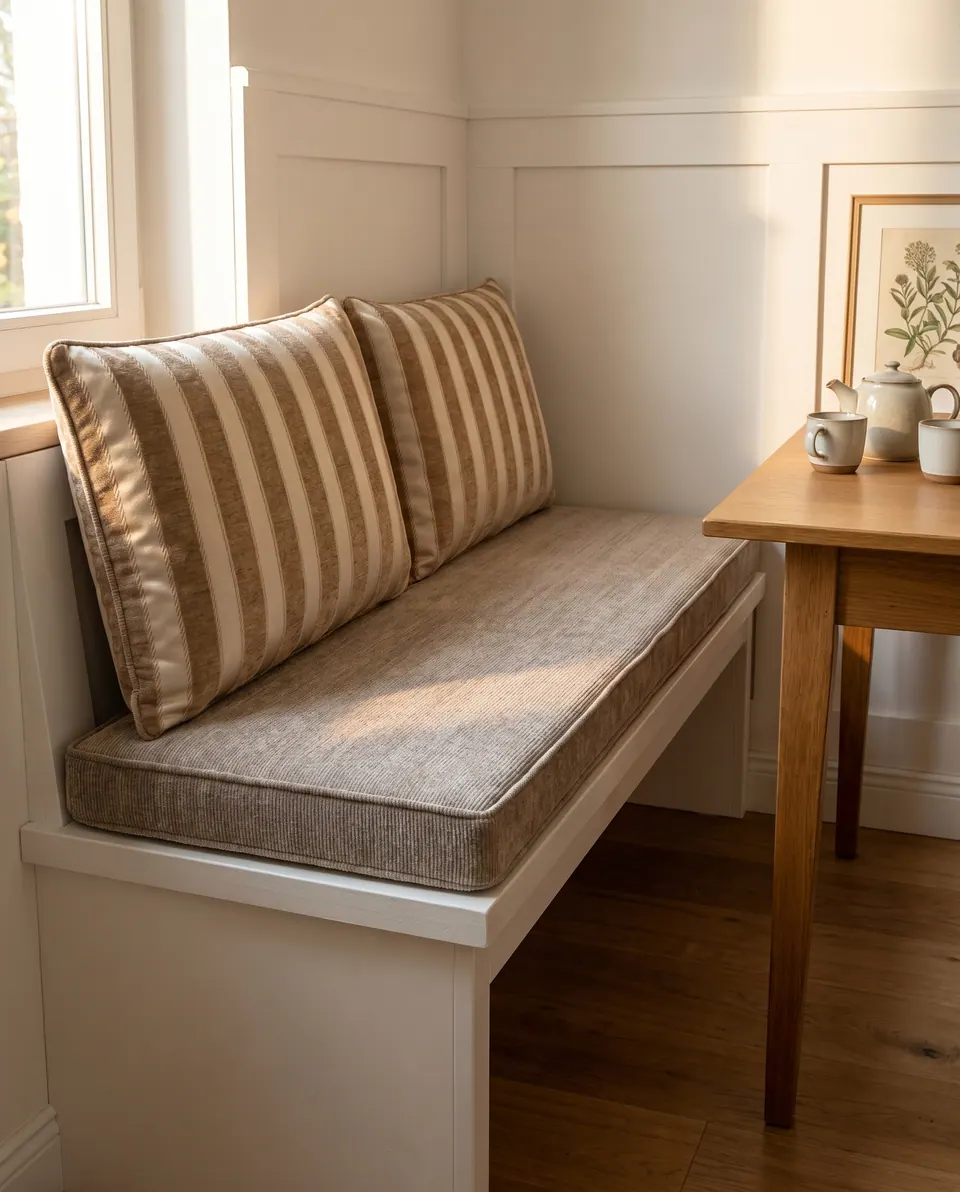
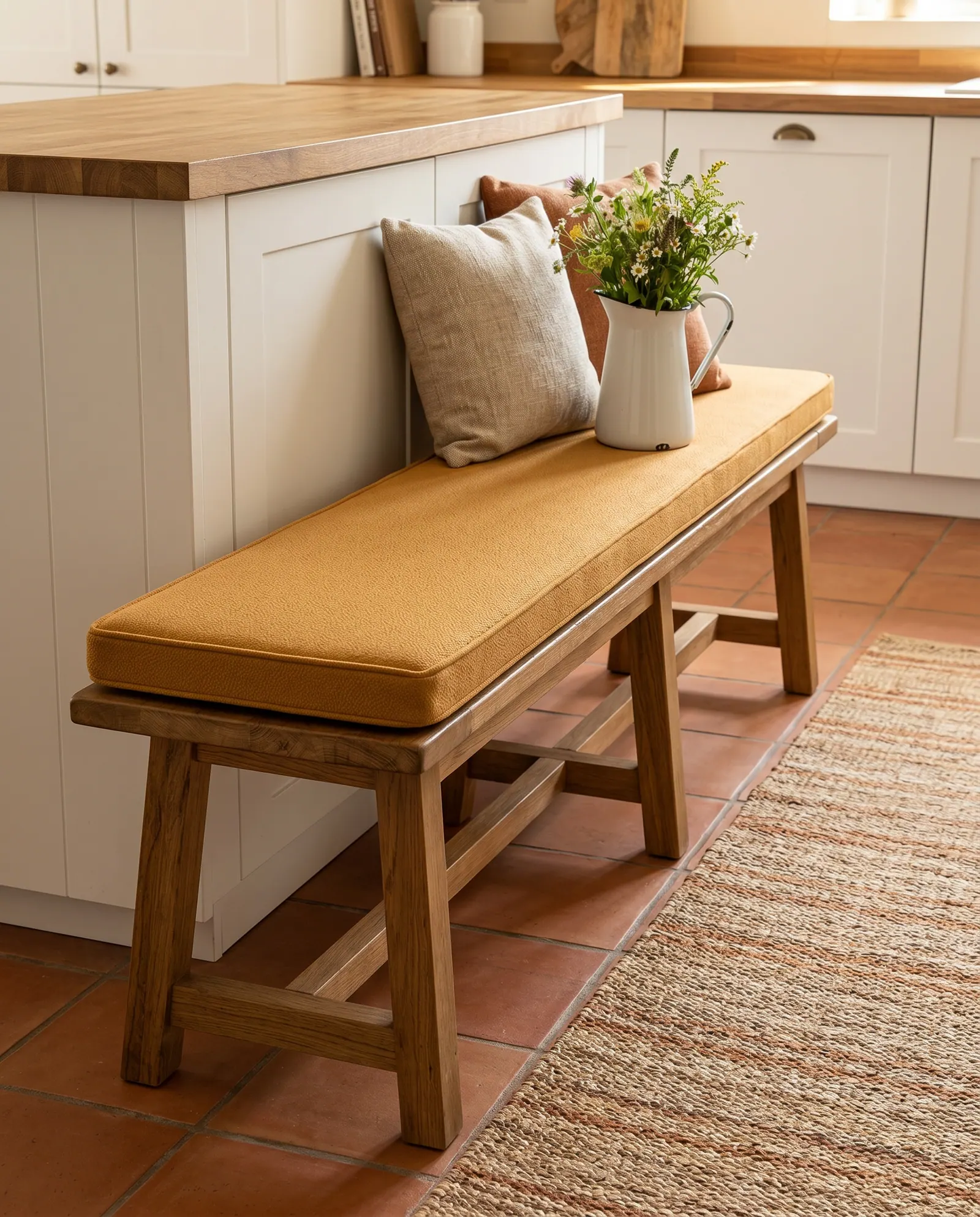
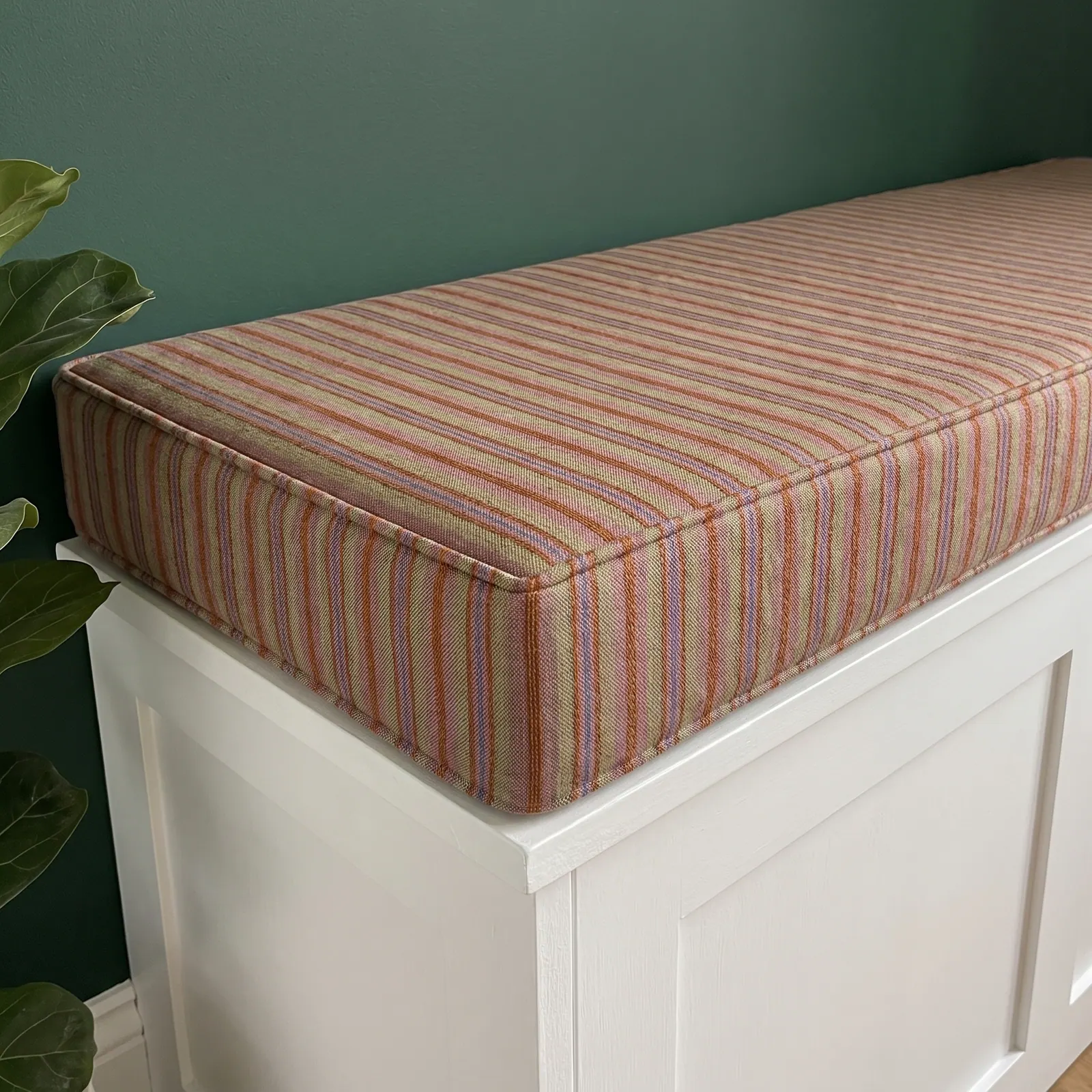
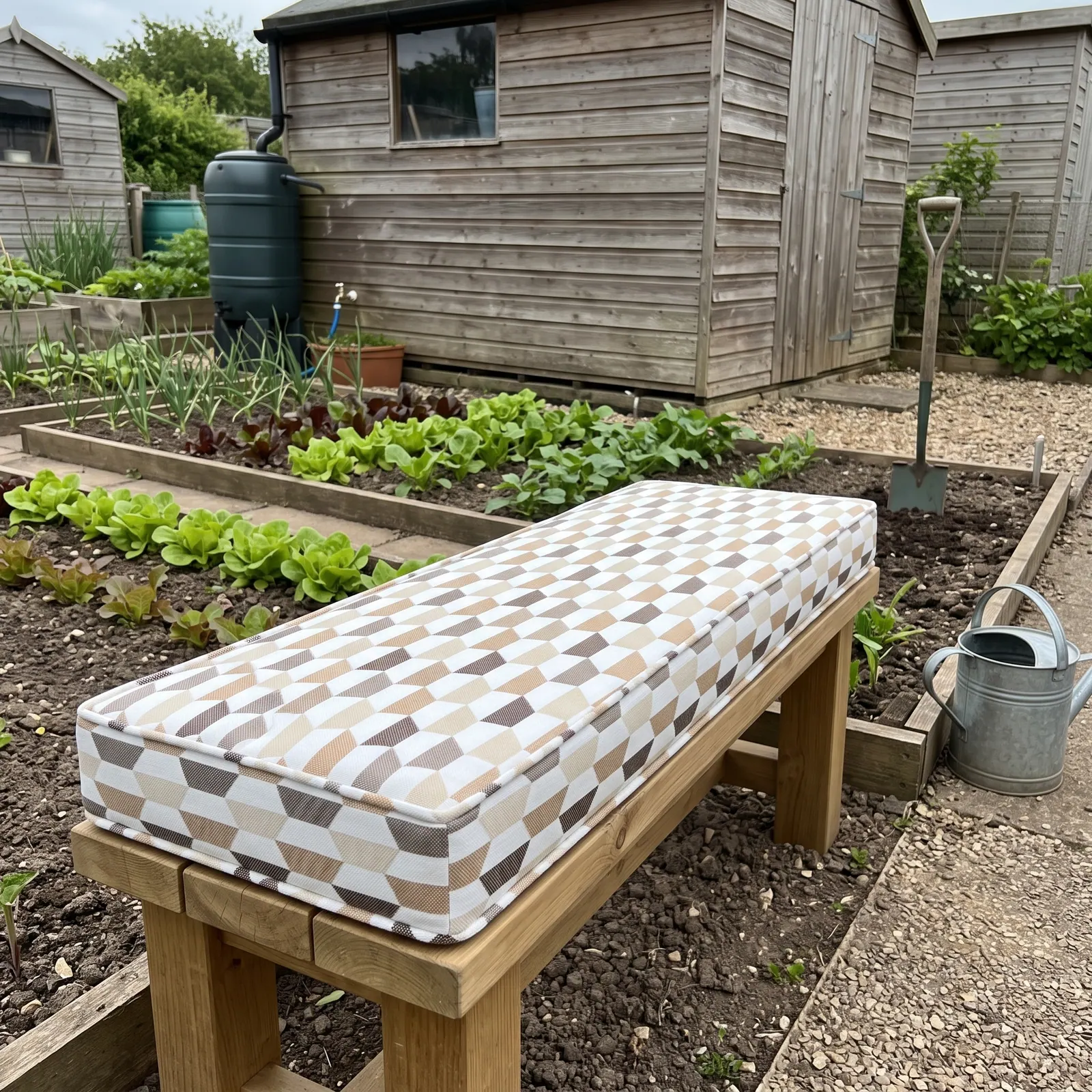
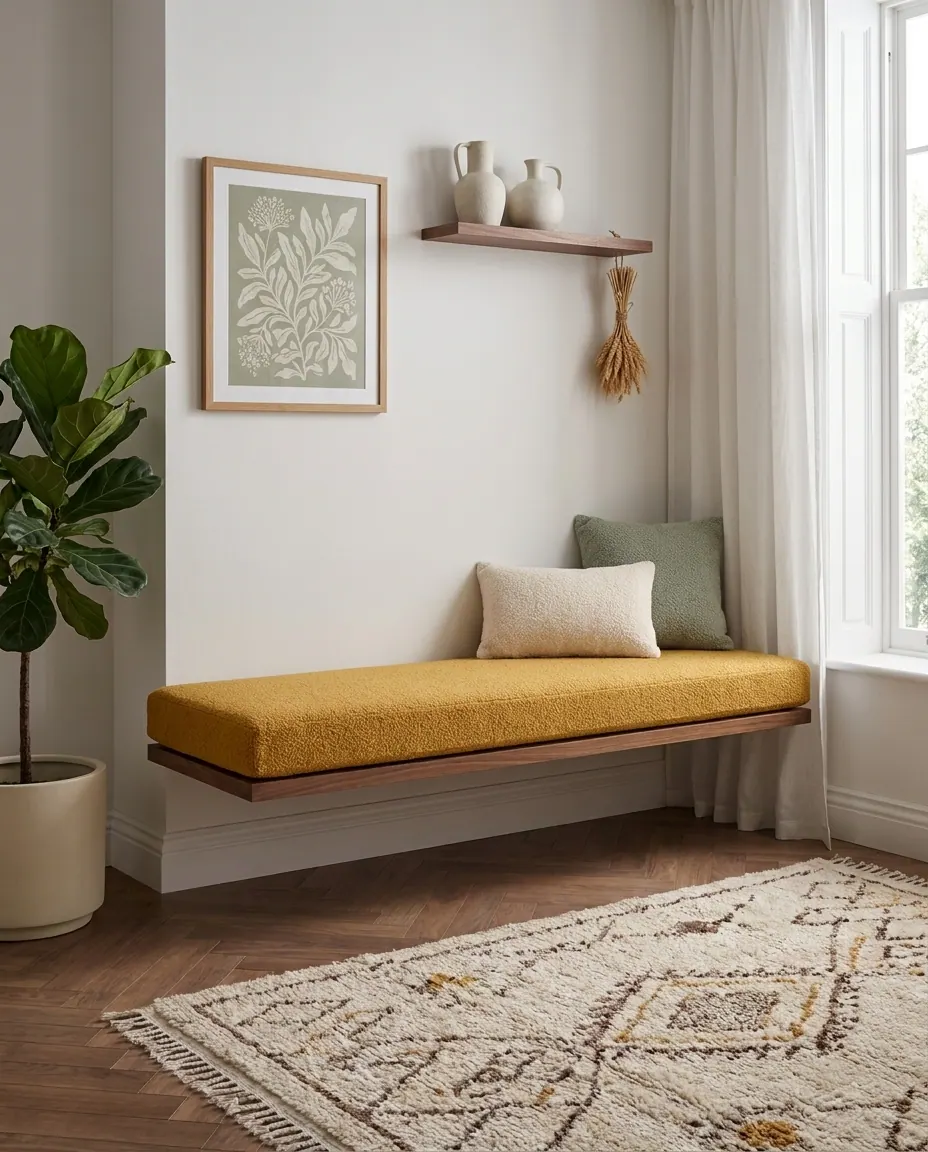
Everyone wants green this year, and green is the color most likely to change its mind under a kitchen bulb. Here are nine real benches, nooks and floor sofas in sage, olive, khaki and water green, and what the light did to each.

 Save
The quick answer
A sage green bench cushion is best chosen from a physical swatch, because greens shift more than any other color under kitchen and window light. Olive velvet reads yellow-lime under white bulbs and calm under warm ones, and khaki can drift toward gray between fabric rolls. Send a photo of your room for the closest match, then judge swatches in daylight and at night.
The color that changes between breakfast and dinner
Olive velvet can read yellow-lime under a white kitchen bulb and a calm, earthy olive under a warm one, and the cloth has not changed at all. Only the light has.
That matters now, because the paint houses have turned green. Sherwin-Williams chose Universal Khaki (SW 6150) for 2026 and Celery (SW 6421) for 2027; Dulux named Soulful Sage for 2027; Valspar's 2026 color is Warm Eucalyptus. The workshop has its own green requests: a sage green bench cushion, sage piping, a sage that isn't on the card, and once a Pantone chip, Kombu Green, mailed in to be matched.
Greens, and sage above all, are the hardest colors to judge on a screen. Daylight never lies; your screen sometimes does. So each sketch below names the green, the cloth, and what the room did to it. Start with the cloth pages for velvet and corduroy, then banquette cushions and L-shaped cushions for the shapes.
Tell me, my friends: after dark, is your kitchen light warm or white?
Nine greens from the cutting table, and the light each one met
01A past project
Dark olive velvet on a 90 in breakfast-nook L
A buyer in the US wanted dark olive velvet, a shade she could not find elsewhere, for an L-shaped breakfast nook with 68 in (173 cm) and 90 in (229 cm) runs, 20 in (51 cm) deep. From her photo the workshop named its closest dark olive velvet plus two alternatives and made the L as two straight cushions.
The takeaway: Send a photo of the nook itself, not a screenshot of a color; the closest olive and two runners-up can be named from it.
02A past project
Sage corduroy on an 84 in kitchen L, backed on one run
A buyer got in touch with an L kitchen bench of 84 x 22 in (213 x 56 cm) and 62.5 x 21.5 in (159 x 55 cm), both 4 in (10 cm) thick, in sage green corduroy, with a back cushion on the long run only. Sage corduroy holds a little soft shadow between its ribs.
The takeaway: A back cushion does not have to follow both runs of an L; order it only where people actually lean.
03A past project
A sage-painted banquette and two young children
One family had painted their L banquette sage green and needed cushions for young children: 63 x 18.9 in (160 x 48 cm) and 63.8 x 18.9 in (162 x 48 cm), 4 in (10 cm) thick. On green wood, the cushion must agree with the paint in that room, not with a paint chip.
The takeaway: Hold the fabric swatch against the painted bench itself, in daylight and again under evening lamps.
04A past project
Olive-moss performance fabric on a 110 in built-in
A built-in L dining banquette took two seats in an olive-moss performance fabric: 110 x 18.5 x 3 in (279 x 47 x 7.5 cm) and 32 x 18.5 x 3 in (81 x 47 x 7.5 cm). Olive-moss is green with a little brown in its pocket, deep enough for daily meals.
The takeaway: For a banquette that takes every meal, pick the green in a performance weave first, then fine-tune the shade.
05A past project
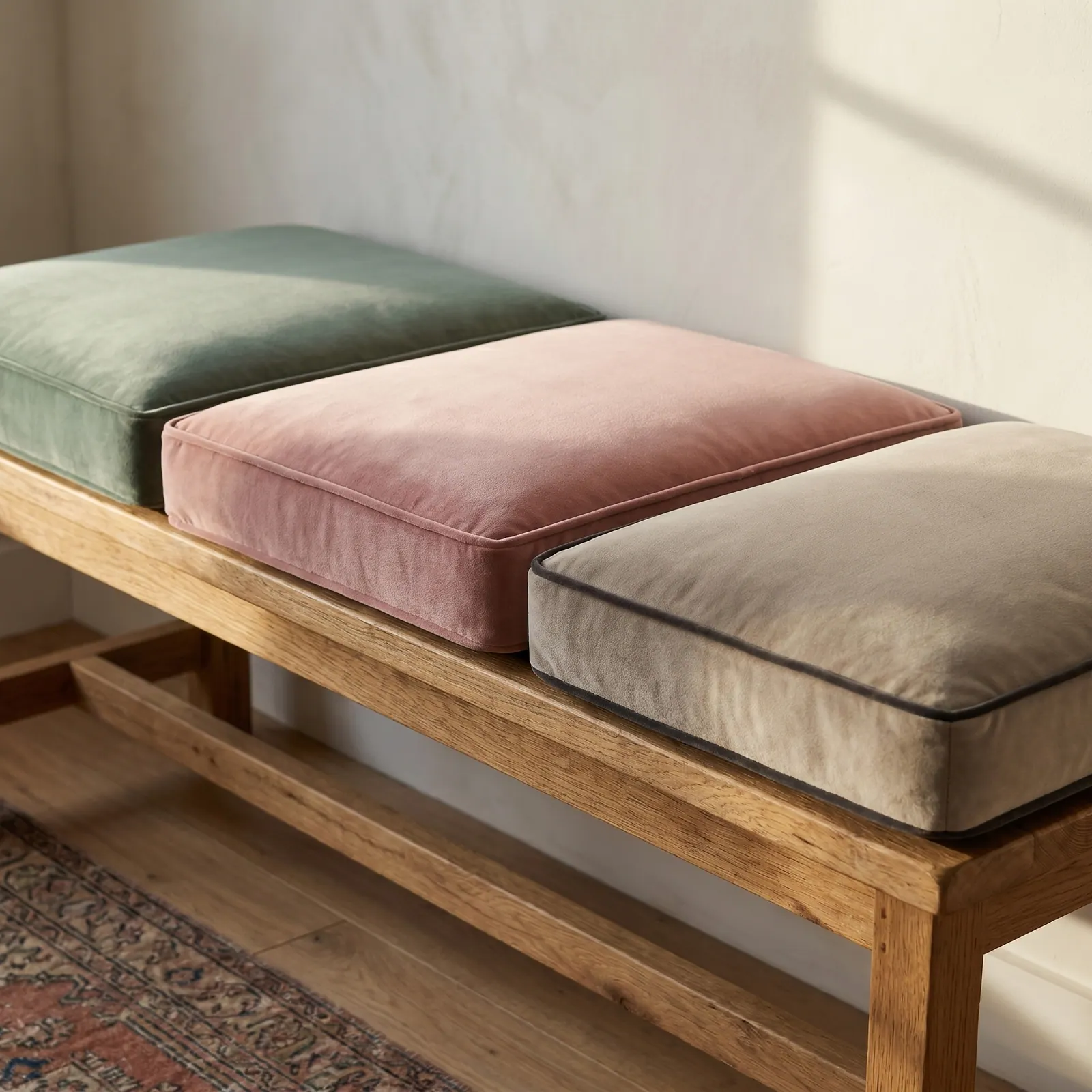
Olive velvet with taupe piping where the dogs jump up
A buyer had an irregular trapezoid bay window seat where the dogs jump up, and chose olive velvet with taupe piping after seeing that exact pairing in another buyer's review photo.
The takeaway: Ask for photos of finished cushions in the exact color and piping; a photo from a real home beats a studio shot.
06A past project
Olive velvet with mustard piping on a family dining bench
A family with two small boys needed a washable cushion for a corner dining bench about 71 x 47 in (180 x 120 cm) outside, with three rounded corners, in olive green velvet with mustard piping and ties to the spindles. The seat already stood about 17 in (43 cm) high, so they chose 2 in (5 cm) over the suggested 4 in (10 cm).
The takeaway: On a dining bench, choose thickness from seat height and table, not comfort alone; see banquette thickness and table height.
07A past project
Four 33 in velvet pillows, olive with lilac piping
One buyer ordered four 12 x 33 in (30 x 84 cm) velvet cushions: two olive green with light lilac piping, one dusty mauve with mustard piping, one mustard with pale pink piping. The first checkout held a quantity of one, so the workshop asked for three more before cutting.
The takeaway: Mixing colors across identical cushions works; just make the order quantity match the number of pieces.
08A past project
Khaki linen floor seating for a room with two small children
A family living room with two small children took a floor sofa with a double base about 25.6 x 55 in (65 x 140 cm) and four 25.6 x 27.6 in (65 x 70 cm) floor cushions, all in khaki linen. Khaki sits between green and sand; in linen it looks like a field after harvest.
The takeaway: Order floor seating as one set in one fabric, so base and loose cushions come from the same roll.
09A past project
A straight floor sofa turned L in water-green corduroy
One buyer converted a straight floor sofa into an L in water-green corduroy, a pale, cool green like shallow water over sand. On those corduroy covers, water green is the only green; olive, dark green and emerald are not made in corduroy.
The takeaway: If the green you want isn't on the corduroy card, ask about velvet or linen for your floor sofa rather than waiting.
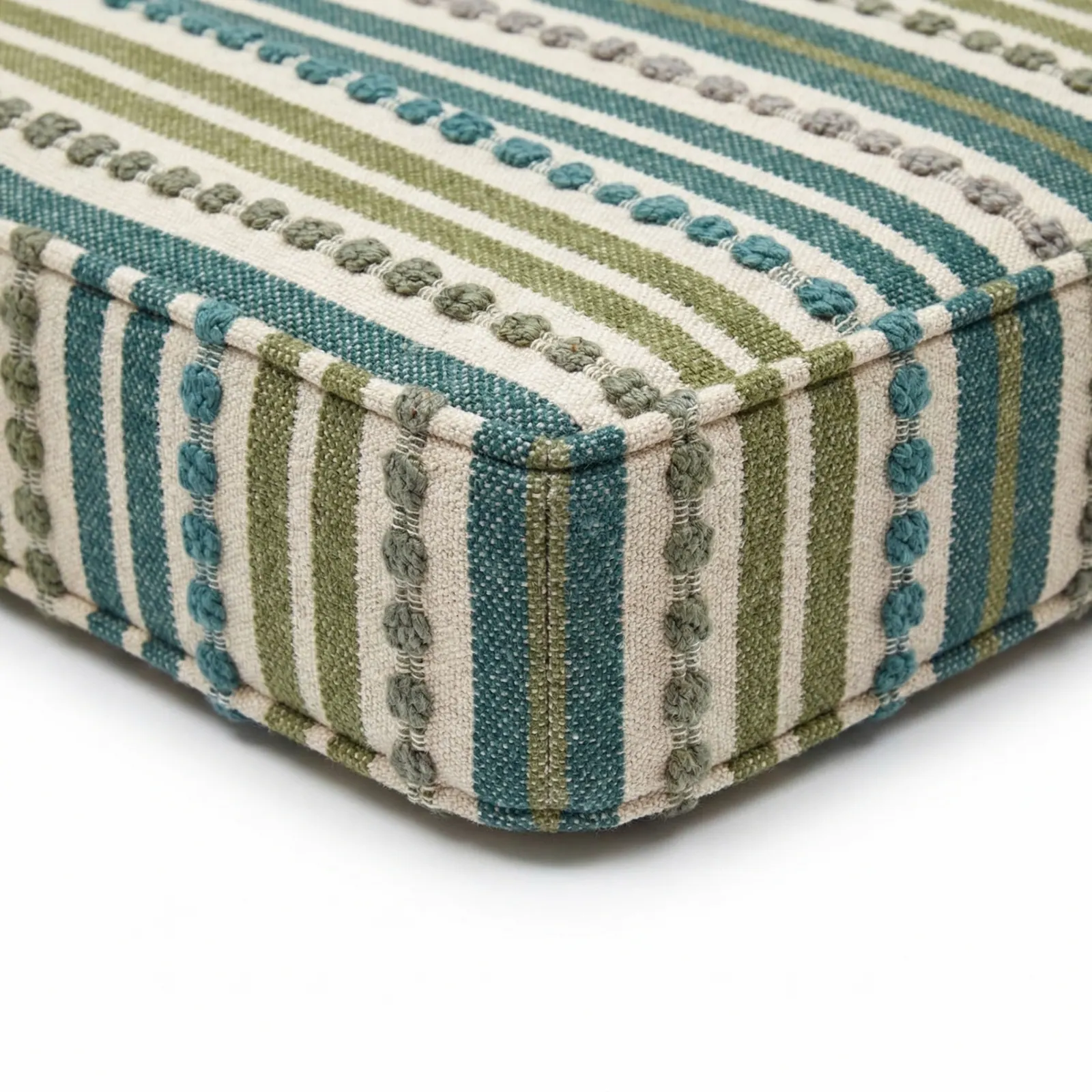
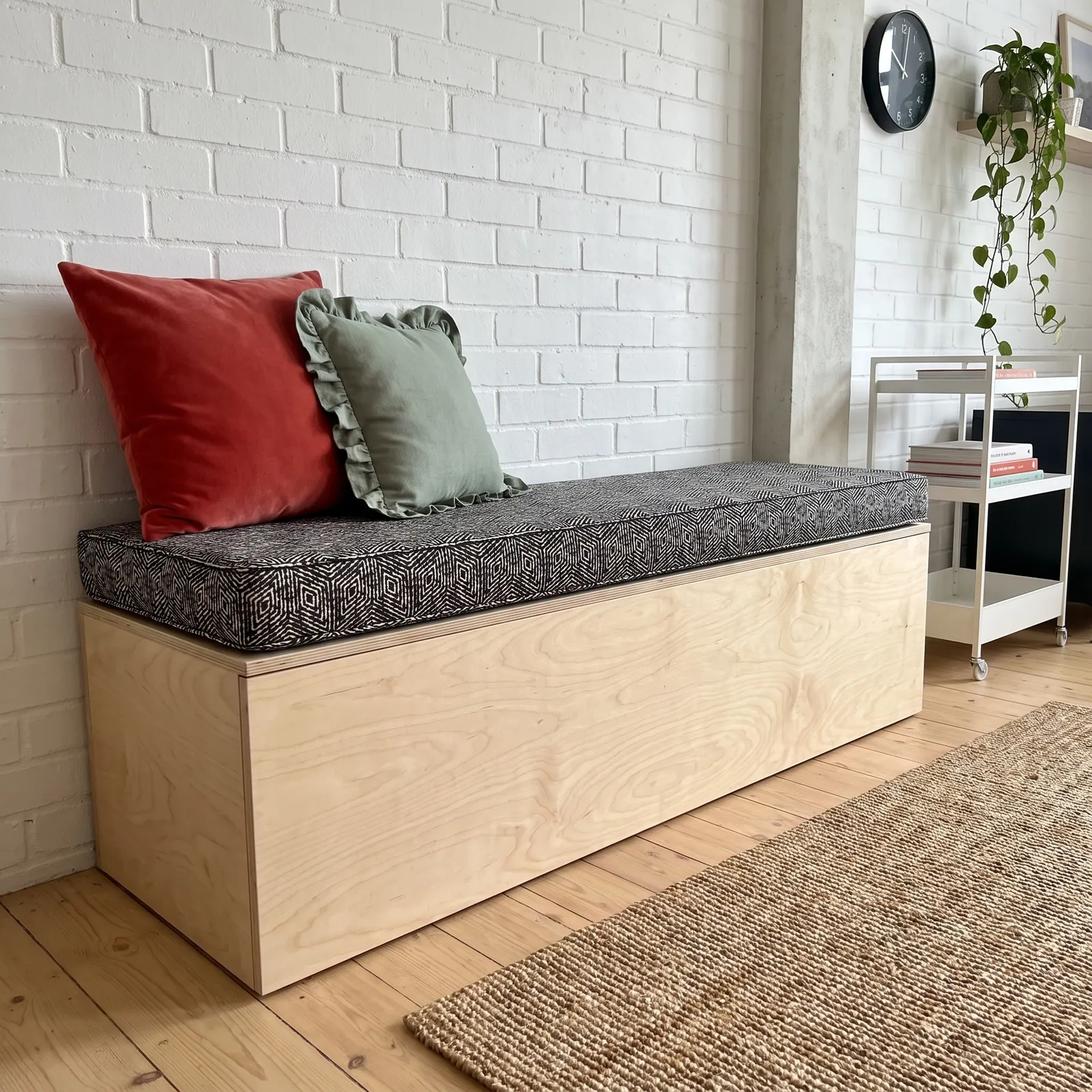
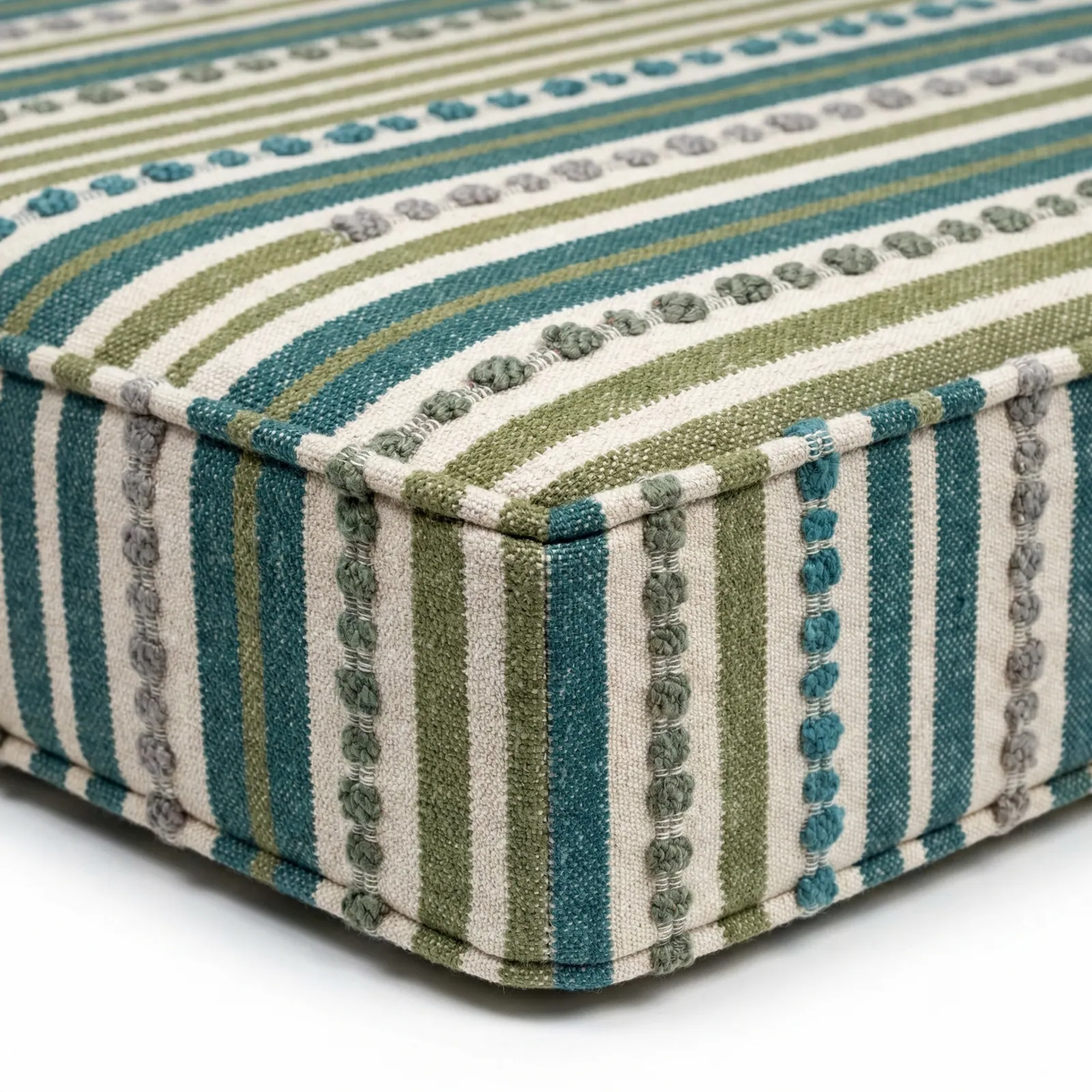
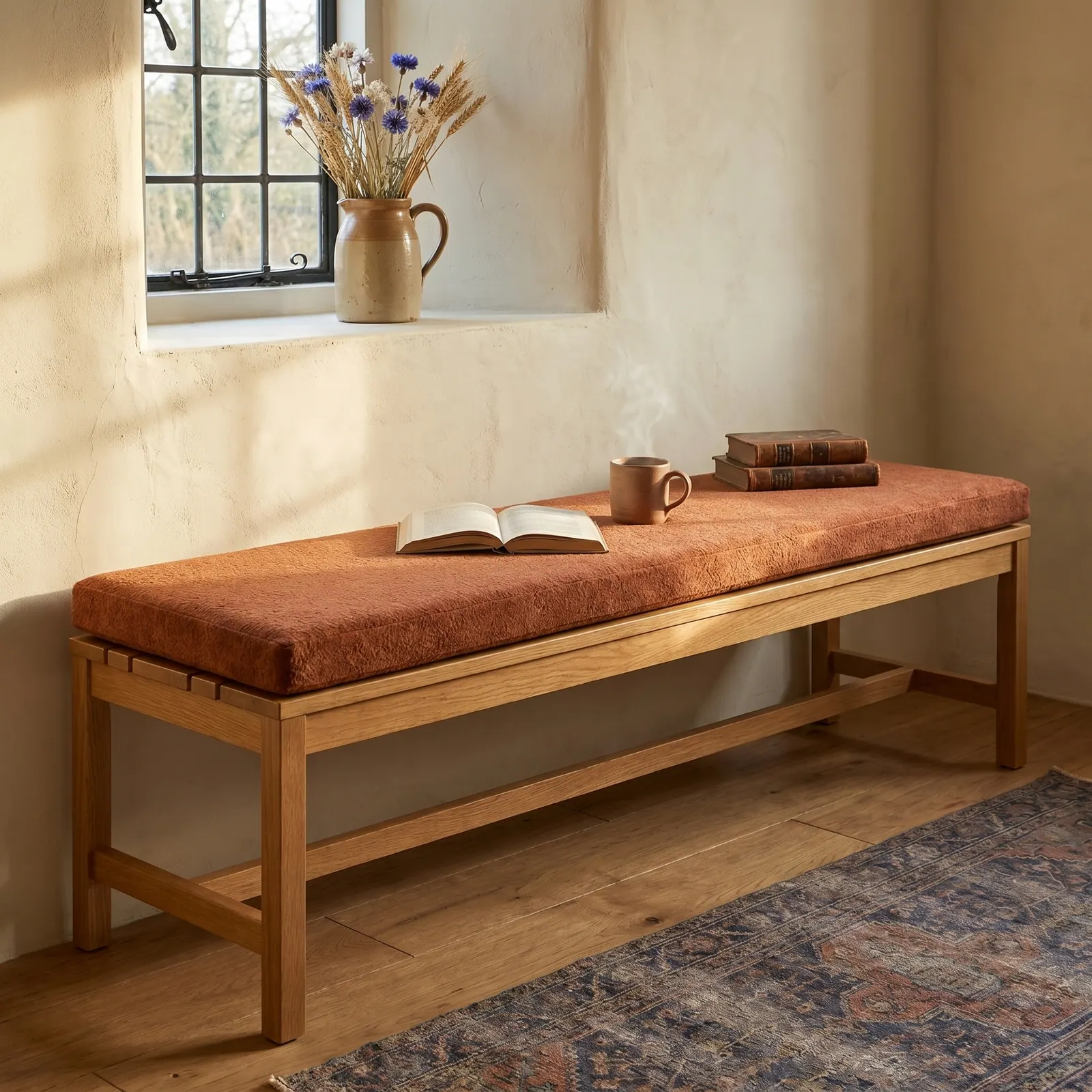
Five greens and what kitchen light does to them
Greens from past orders, side by side. Try them against your room in the pillow cover studio, read why screen and daylight disagree, then send for swatches.
| Green | Cloth we've made it in | What the light does | Before you order |
|---|---|---|---|
| Sage | Corduroy; sage piping on request | Hardest green to judge on a screen | Hold a swatch against paint or cabinetry |
| Olive | Velvet, or a linen alternative | Yellow-lime under white bulbs, calm under warm ones | Check the swatch under both lights |
| Dark olive, olive-moss | Velvet; performance weave | Suggested once for warm beige walls and dark wood | Send a room photo for the closest match |
| Khaki | Linen; corduroy sofa sets | Can drift toward gray smoke between fabric rolls | Order every visible piece in one batch |
| Water green | Corduroy, velvet | A light, cool green | Ask for real-life customer photos |
If an olive velvet swatch looks lime under white kitchen bulbs, check it again under a warm lamp before calling the color wrong.
Élodie
Green questions
- A common question
Which of your fabrics is the olive green, and will it look too bright on my walnut bench?
The workshop's answerOlive on the velvet chart is a muted, earthy olive that suits a walnut bench's warm tones, and there is a linen alternative if you'd rather not have velvet. It does shift with light: under white bulbs it reads yellow-lime, under warm light much calmer. Greens are the hardest colors to judge on a screen, so check close-ups in your room's light or order samples.
- A common question
Can I send a photo of my kitchen and have you pick the closest green?
The workshop's answerYes. Send a photo of the color, the furniture or the room; the workshop compares it with its fabric charts, names the closest codes, checks stock in the fabric you want and sends the options side by side. For a room with warm beige walls and dark wood it once suggested dark olive velvet. Screens vary, so order swatches of your shortlist before a large piece.
- A common question
Could I have the corduroy floor sofa made in olive or sage?
The workshop's answerNot in corduroy. The corduroy colors are fixed to the ones on the product page, and on the covers water green is the only green. Olive, dark green and emerald aren't made in corduroy, so ask about velvet or linen instead, or buy the foam filling on its own. The workshop sends real-life customer photos of any listed color on request.
- A common question
Can I see green fabric samples before I commit to a whole floor sofa?
The workshop's answerYes. Buy one fabric sample and write in the order note that it's for the sofa and which colors you want, including colors not yet on the website. One purchase covers several colors, you pay only the shipping, and the cost can come off a later sofa order. A foam sample can go in too; ask when the samples will ship.

Have it made
Have an idea like this made — ask Élodie’s workshop
Describe the room at four in the afternoon: the floor, the wall, the one color you love. That is where a good fabric choice begins. — Élodie
Leave your details and the workshop will call you to confirm measurements, fabric, foam and piping. No prices, dates or payment on this page: it is a request, not an order.
More on sage, olive and khaki
Which piping colors have buyers paired with olive velvet?
Taupe piping on an olive velvet bay window seat, mustard piping on an olive dining bench, and light lilac piping on olive velvet bench pillows. For a gold line, the velvet chart has a mustard, a brighter yellow and an orange; ask for a photo of a finished cushion in the piping color before choosing.
Should a green L-shaped nook cushion be one piece or two?
Two. Nook corners are made as two straight cushions that meet at the corner, as they were for a dark olive nook with 68 in (173 cm) and 90 in (229 cm) runs. Most buyers choose 3 or 4 in (7.5 or 10 cm) thick. See the L-shaped bench measuring pattern.
Why does a replacement khaki cushion look grayer than the rest of my set?
Fabric varies in tone from roll to roll at the mill. When one buyer's seats were remade, they came out a grayer smoke than the khaki-leaning backs and arms, and the fix was remaking the whole visible set from one batch. Read about dye lots before ordering pieces at different times.
Why is sage the trickiest green to choose from a photo?
Every screen renders color its own way, and greens shift more than most colors between studio, kitchen and window light. Sage sits between gray and green, so a small shift tips it either way. Order physical swatches and judge them in daylight and under your own lamps, against something fixed in the room.