A Reading by MaggieBench Cushions
Mustard corduroy on an oak blanket box, and the five mistakes it sidesteps
Maggie takes a mustard corduroy cushion apart layer by layer and names the errors this blanket-box bench avoided, with a wink at the ones she has made herself.

 Save
The quick answer
The most common mistake with a custom bench cushion on a blanket box is sizing it past the lid edge, so the lid can no longer lift. Keep the cushion inside the lid, choose a color that separates seat from wood, give a wide wale a plain wall behind it, and order one piece for a busy bench so nothing drifts.
The cushion, cut open
Cover fabric. A removable, zippered cover. Machine wash at 86°F (30°C) on a gentle cycle and air dry.
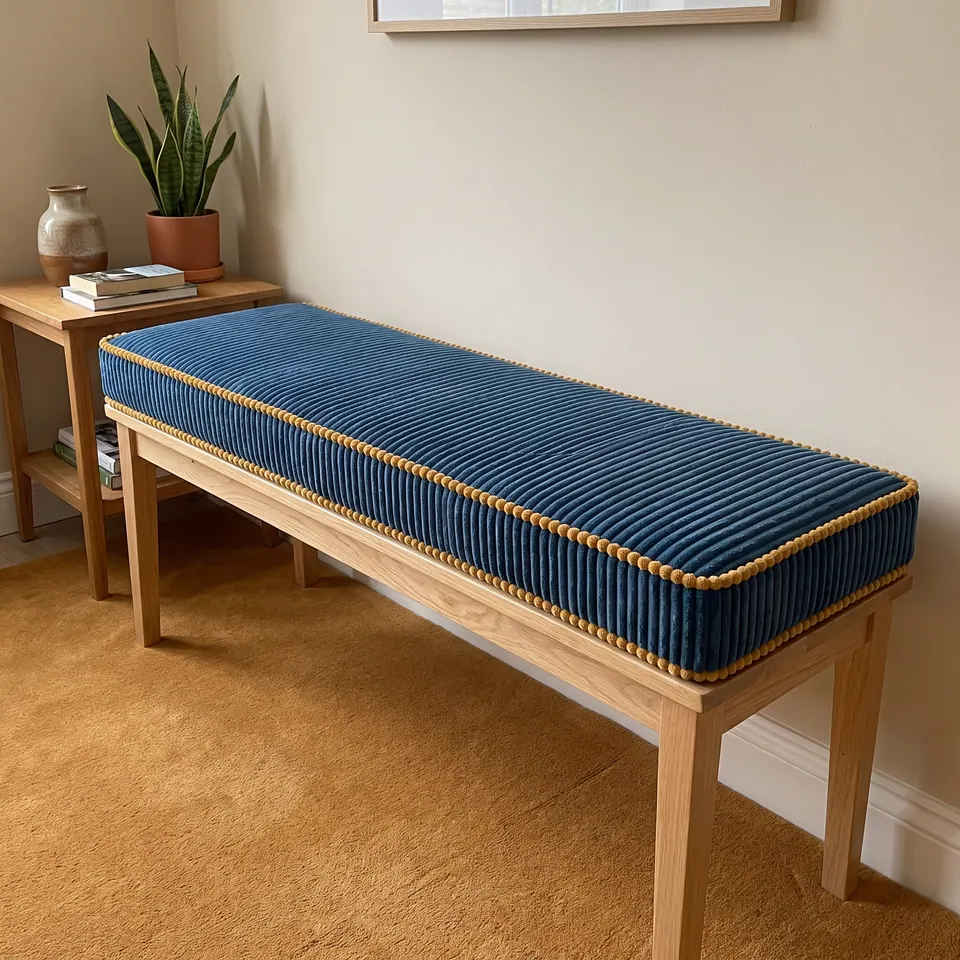
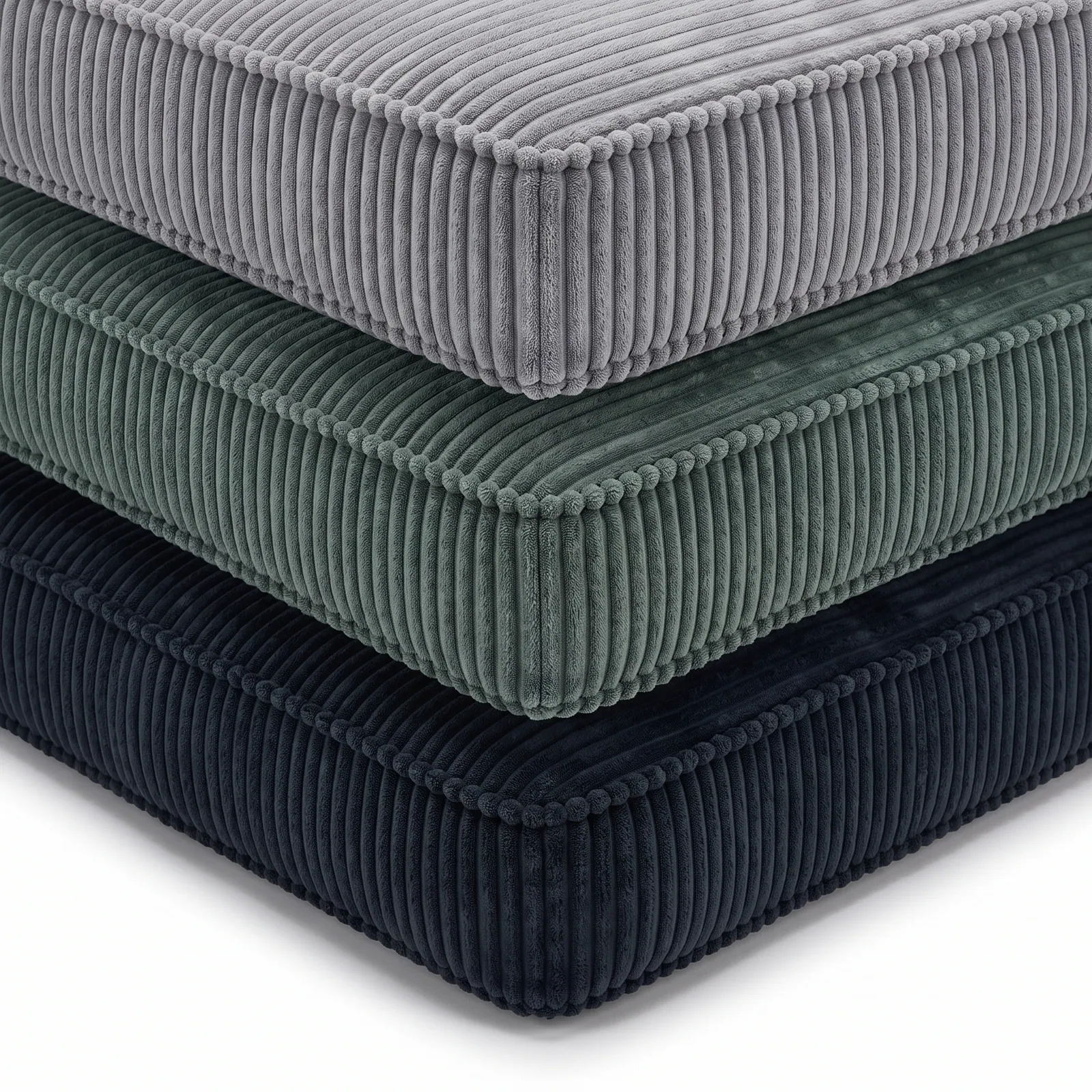
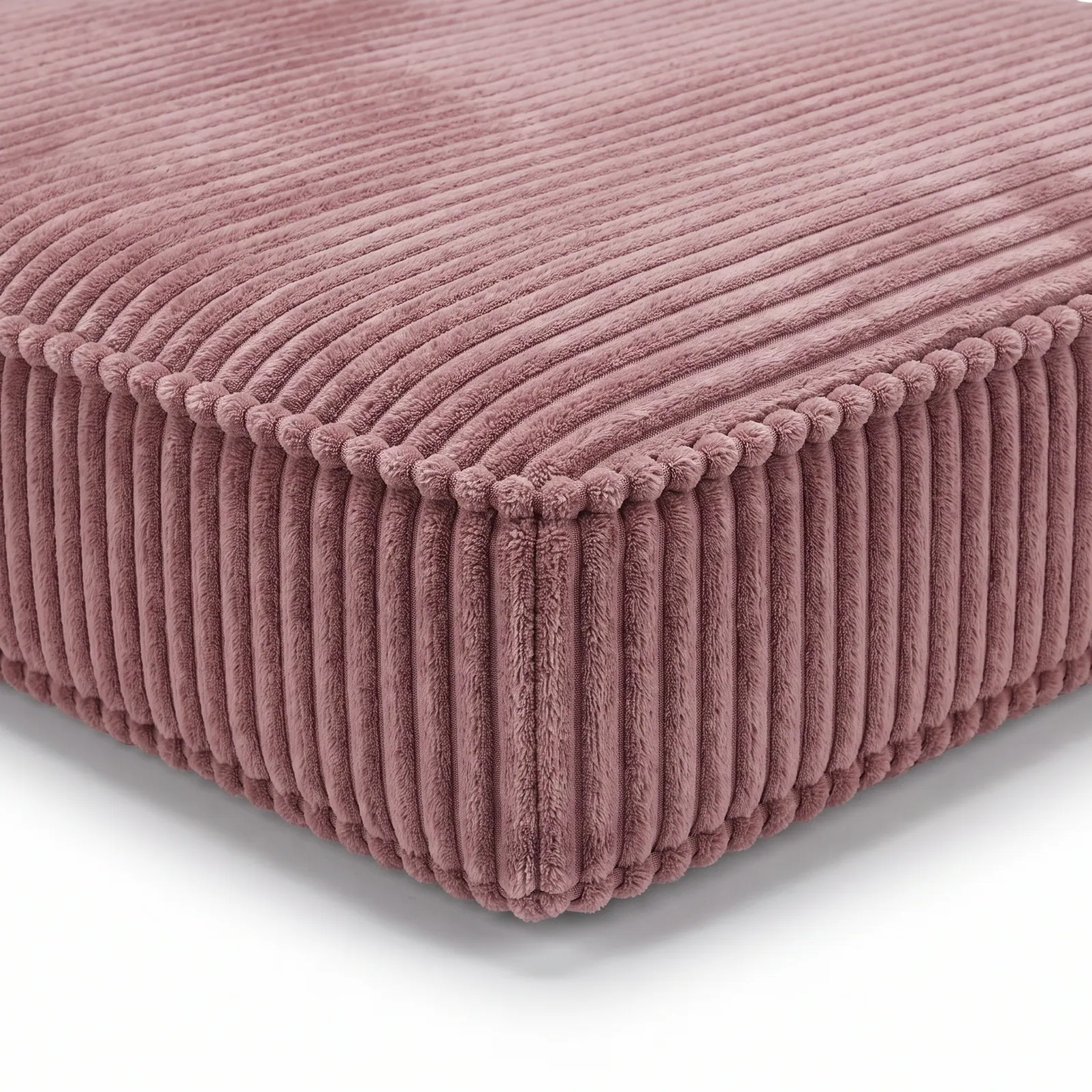
Piping. A fabric-covered cord sewn into the seams. It sits on the seam line, so it does not change the size.
Fiber wrap. Polyester fiber (Dacron) batting around the foam: it fills the cover out and softens the edges.
Foam core. About 2.0 lb/ft³ (32 kg/m³) high-resilience foam, firm to medium-firm, cut to the ordered size.
Zipper. Along the back band, as hidden as possible. The zipper side faces down or toward the wall.
Base panel. The underside of the cover. A non-slip fabric backing can cover the whole of it instead.
Pinned by Maggie
Five pins, bottom to top: the oak box, the mustard corduroy, the lamp corner, the ladder shelf and the blue-gray wall that calms it all.
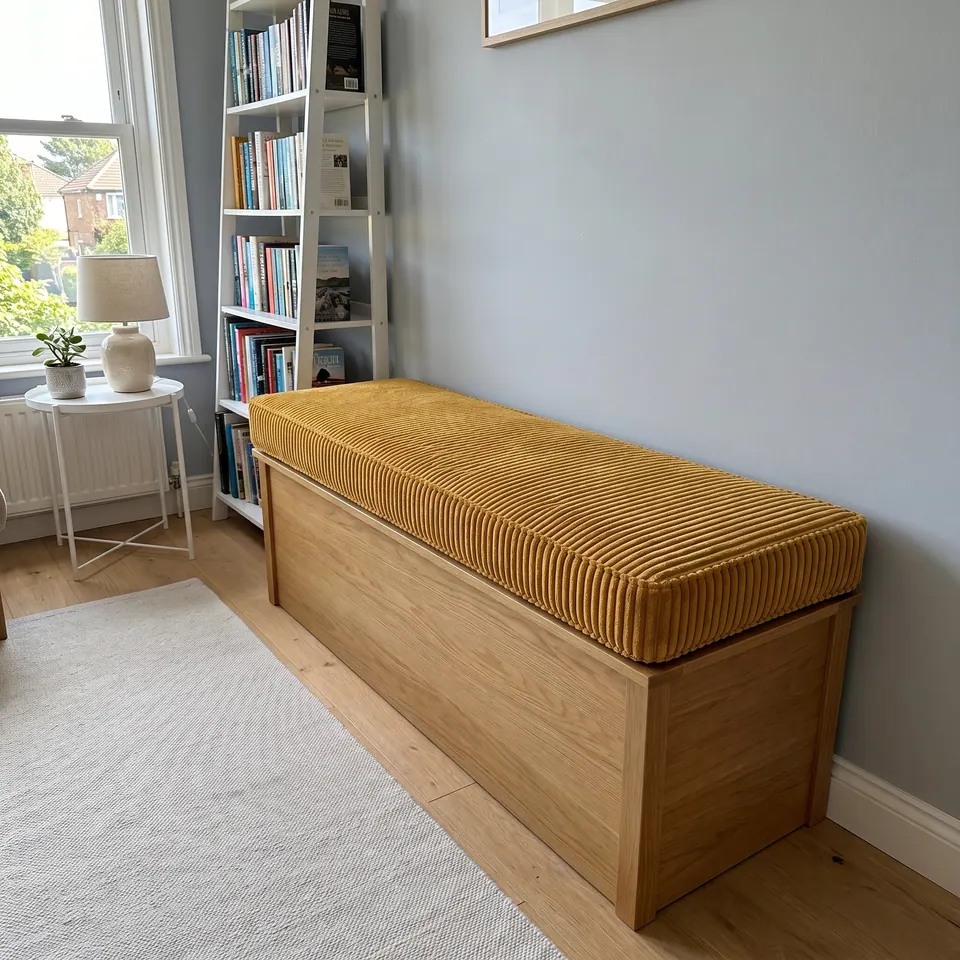
- Mustard corduroy
Warm enough to belong with oak, bright enough to separate seat from base.
- Oak blanket box
The cushion stops at the lid edge so the lid still lifts.
- Ladder bookshelf
Books opposite give the bench a reason to be sat on.
- Lamp on side table
A white metal table keeps the window corner light and airy.
- Blue-gray wall
The cool wall calms the yellow, and the yellow warms the wall.
- Mustard corduroyWarm enough to belong with oak, bright enough to separate seat from base.
- Oak blanket boxThe cushion stops at the lid edge so the lid still lifts.
- Ladder bookshelfBooks opposite give the bench a reason to be sat on.
- Lamp on side tableA white metal table keeps the window corner light and airy.
- Blue-gray wallThe cool wall calms the yellow, and the yellow warms the wall.
Taking the bench apart, layer by layer
Let's take this bench apart the way I'd take apart a cushion that came back to the workroom: from the floor up.
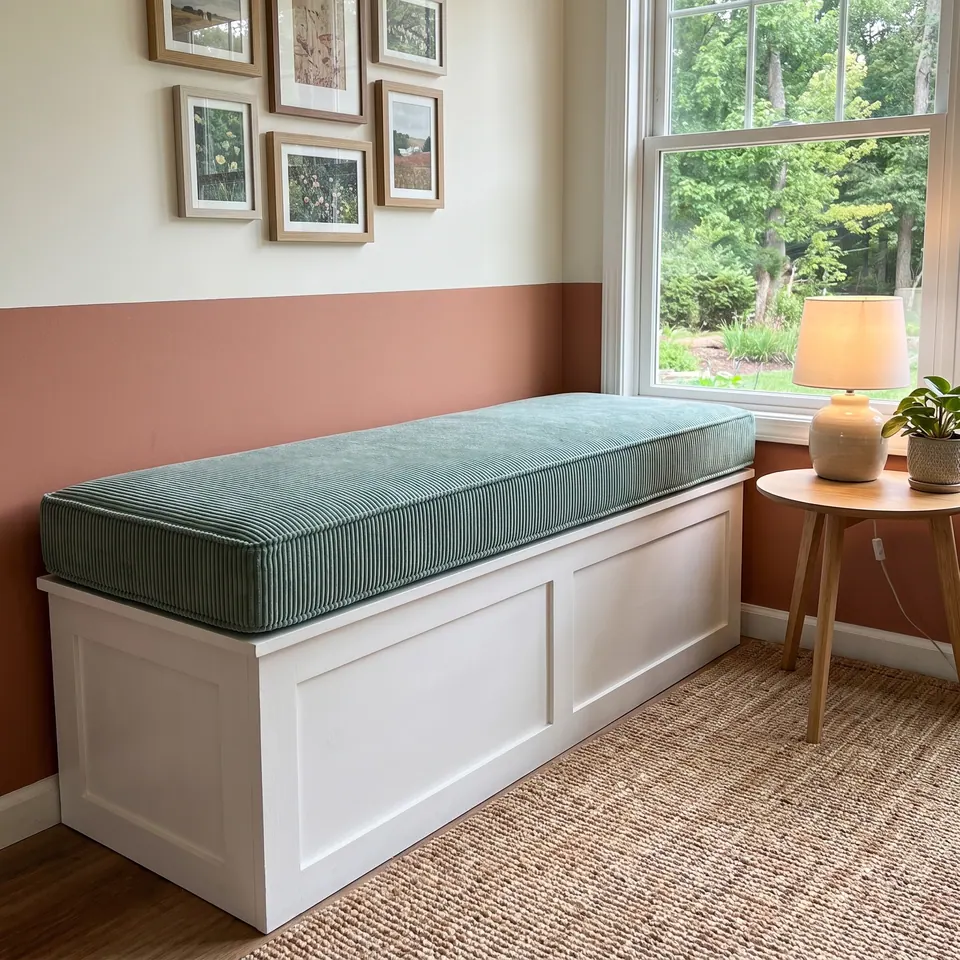
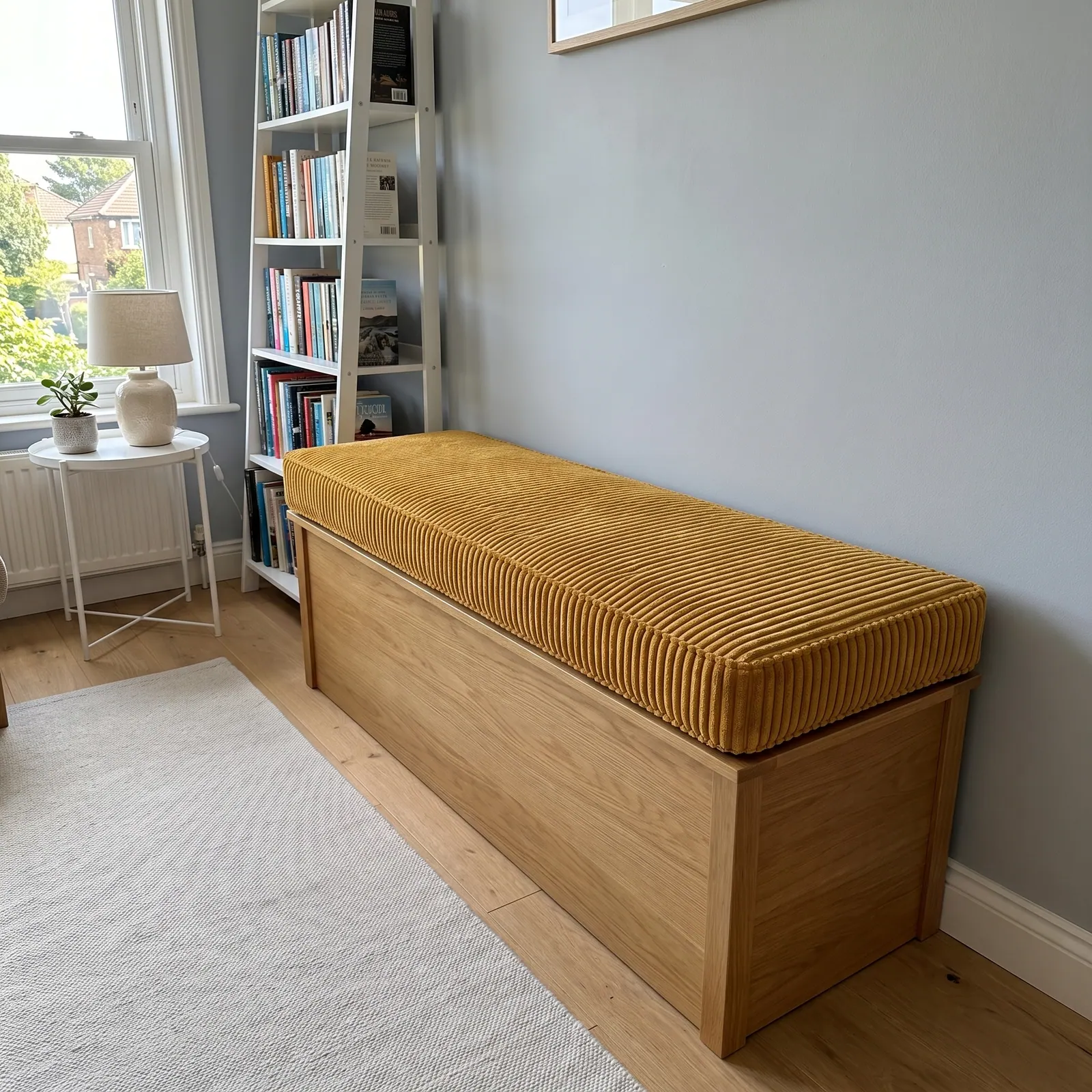
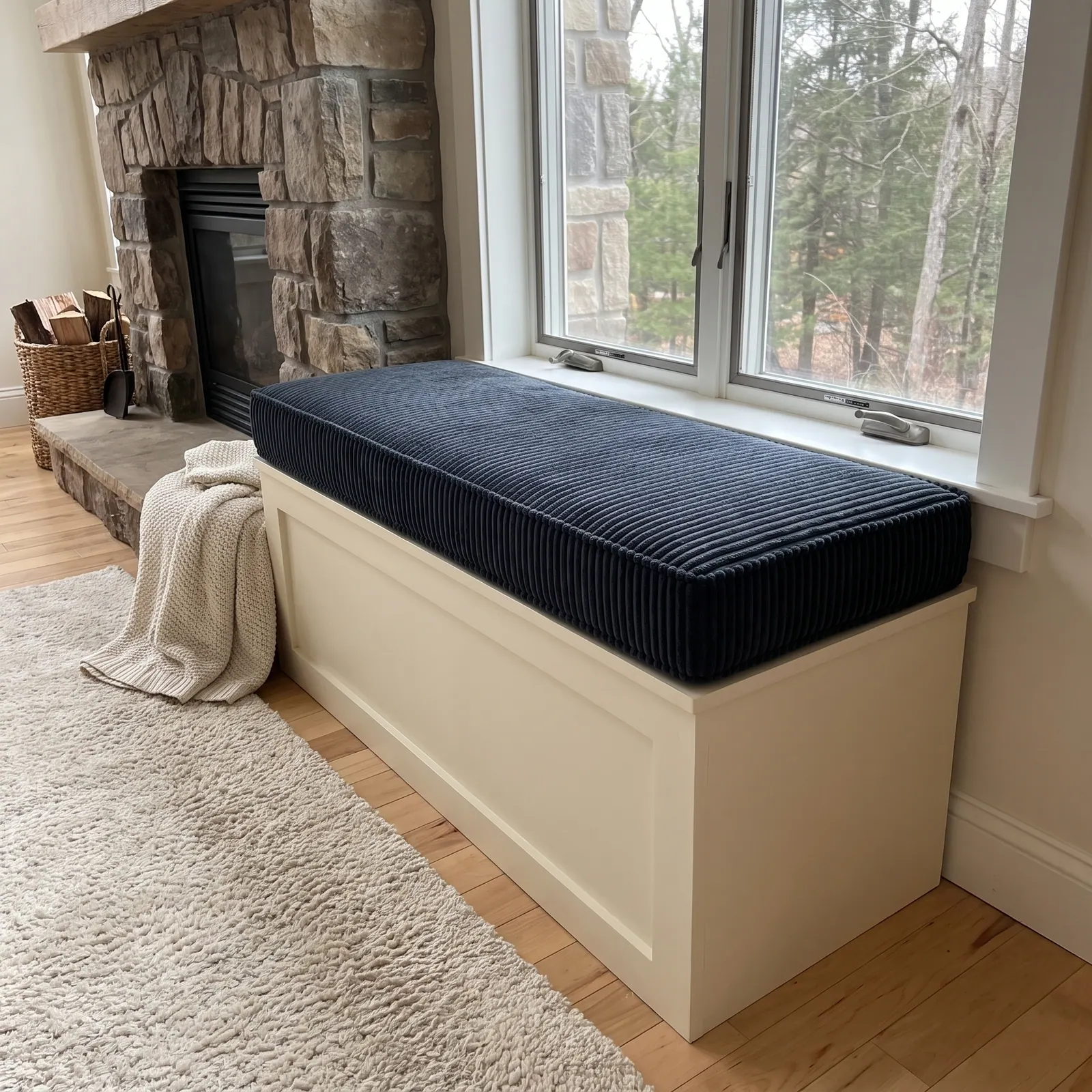
The base is a natural oak blanket box on a cream flat-weave rug. It is almost the same tone as the floorboards, which is lovely for the room and a trap for the cushion. A wood-colored seat would have merged box and floor into one beige block.
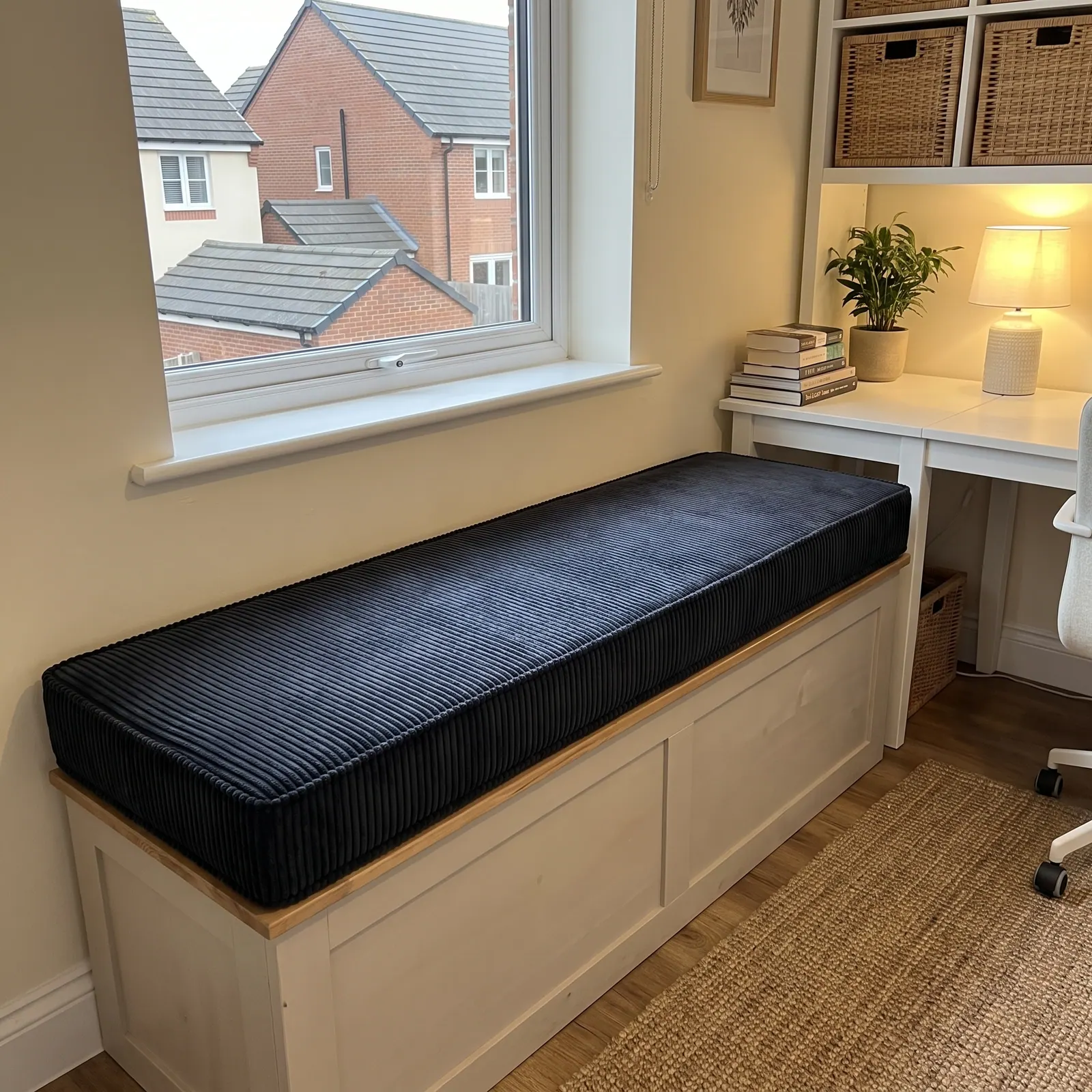
Next layer, the lid. The cushion stops at the lid edge, not an inch past it. That is the difference between a bench and a chest you can no longer open.
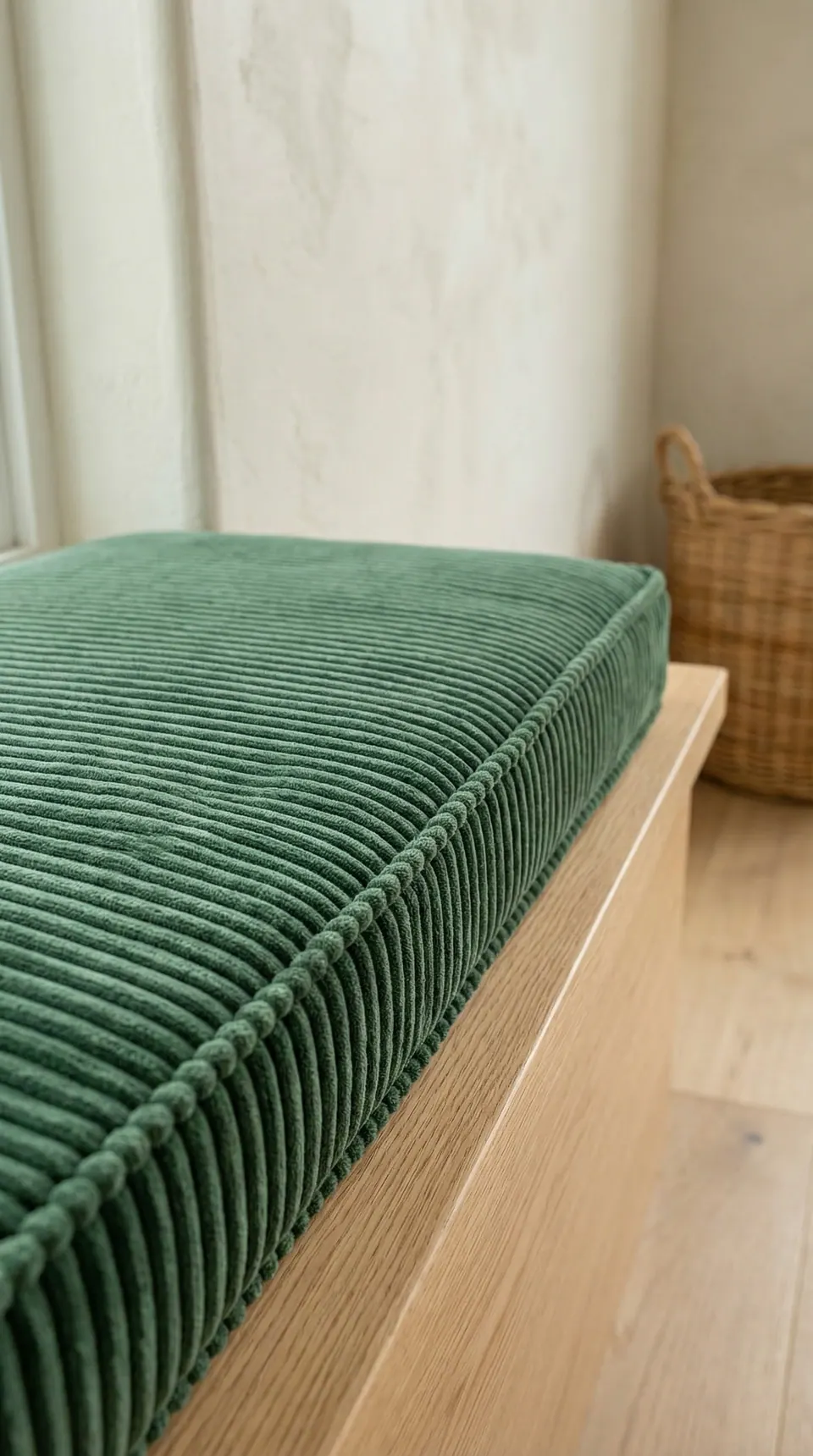
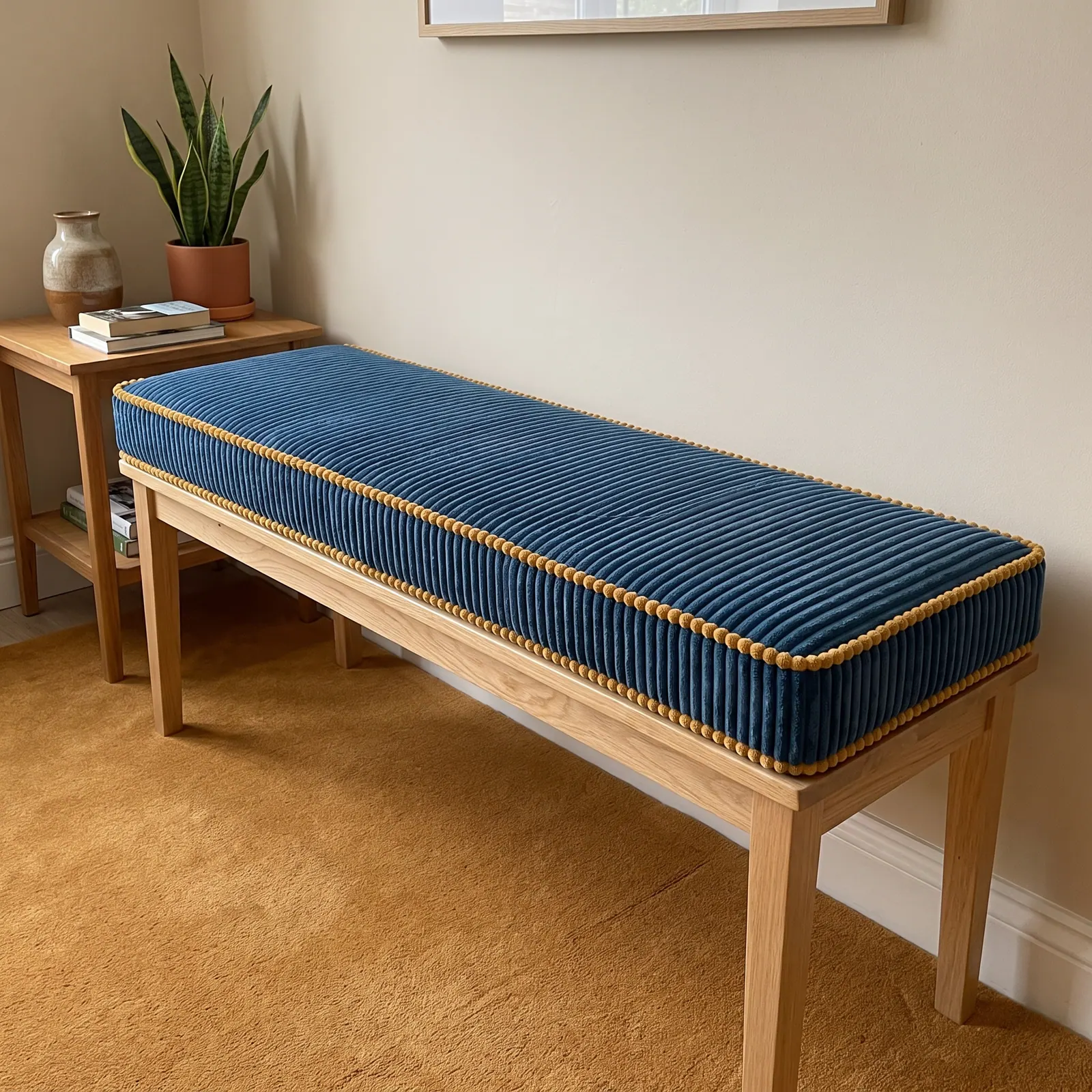
Then the cushion itself: a box edge with self piping in the same mustard, in a wide-wale corduroy. Mustard is warm enough to belong with oak and bright enough to separate seat from base. Self piping keeps the outline quiet, because a wide wale in a strong color is already doing plenty of talking.
Top layer, the room. A pale blue-gray wall, left blank. The cool wall calms the yellow and the yellow warms the wall. A white ladder shelf of paperbacks stands opposite, which gives the bench its job: somewhere to sit with the book you just pulled. A white metal side table and a ceramic lamp keep the window corner light, and a small plant finishes it.
I have put a busy cushion in front of a busy wall in my time, dear. It looked like two radios playing different stations. Here the blank wall does the work.
For the lid itself, read the hinged-lid pattern. Browse corduroy swatches in pairs, and find sizes under bench cushions. Which of these mistakes has your bench already made?
Five mistakes this bench didn't make
- Sizing the cushion past the lid edge. The lid won't lift. Size it to sit inside the lid, and say so in the order note.
- Choosing a seat the same tone as the wood. Box and floor merge into one block. Pick a color that separates seat from base, as mustard does here.
- Pattern against pattern. A wide wale in a strong color wants a plain wall behind it.
- Two short cushions on a busy bench. They drift apart. A single piece stays aligned, as the kitchen bench below shows.
- Copying the old cushion's size. Measure the bench, not the cushion you used to have.
A 90-inch kitchen bench and the case for one piece
A buyer in the US had a kitchen bench measuring 90 x 24 in (229 x 61 cm) that sees heavy daily use. They preferred one long cushion to two, so nothing would move around, and asked whether a cushion that long would keep its shape. The shop confirmed that it holds its shape and quoted it in linen.
Good instinct. Two pieces on a busy kitchen bench spend their lives creeping apart, and somebody always ends up sitting on the gap. One piece stays lined up with the bench. The blanket box above is the same idea at a smaller scale: one cushion, one clean line. If you are weighing it up, the one piece or two pattern lays out both sides.
Buyer questions: blue velvets, curved fronts and backrest kits
- A common question
I'm after olive green, a dusty slate blue or other blue tones. Do you have those in velvet or a textured weave?
The workshop's answerYes. The velvet chart includes olive green and dusty slate blue shades. In the textured woven range, one code has a blue-toned background and another is a solid blue, and close-up photos of any code can be sent.
- A common question
Can you make a custom-shaped cushion, say one that fits my bay window nook with a rounded front?
The workshop's answerYes. Send a photo of the area or a drawing of the shape with every measurement marked. A custom floor cushion for a bay nook with three 46 in (117 cm) window sections was quoted from exactly that, and the quote reflected its large size and custom shape.
- A common question
I already have two twin mattresses. Can I buy just the L-shaped backrest inserts and the bars?
The workshop's answerYes. Two L-shaped backrest inserts and four metal brackets were sold on their own through a custom listing link.
On the cutting table: the blanket-box bench
| Product | Bench cushion for a blanket box |
|---|---|
| Base | Natural oak blanket-box bench |
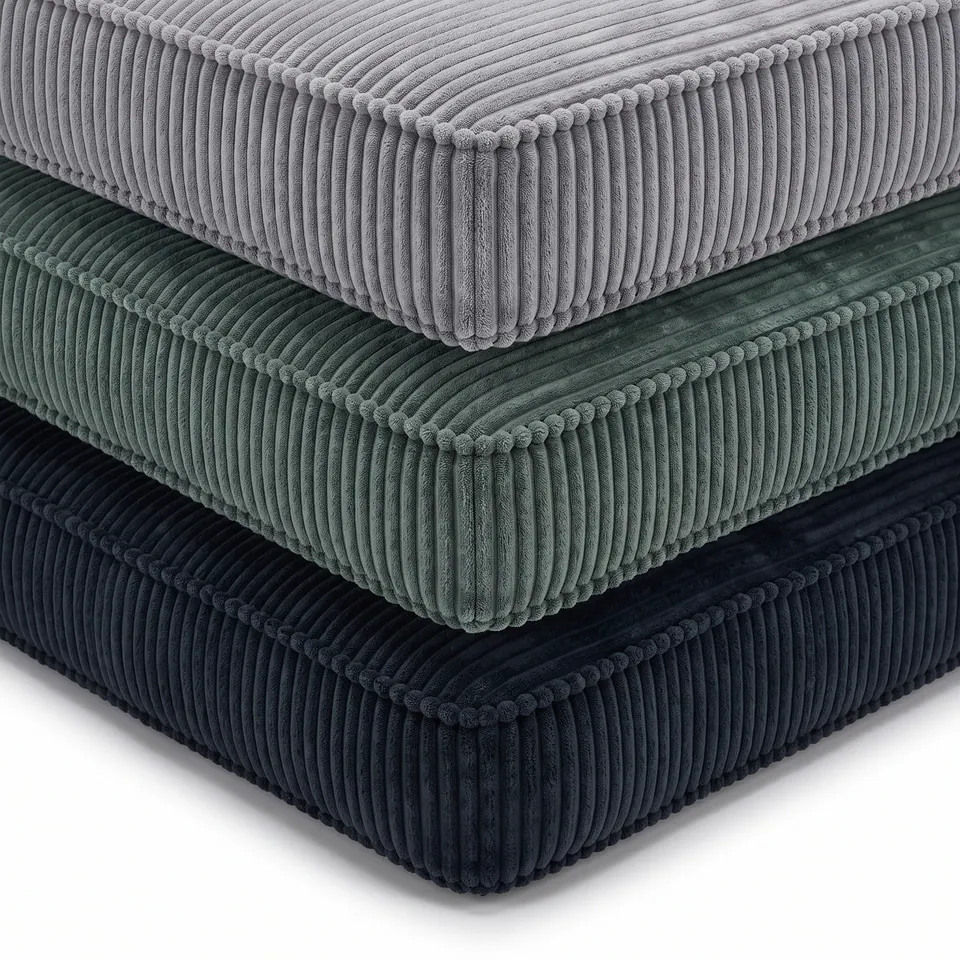
| Fabric | Wide-wale corduroy in mustard |
| Edge | Box edge |
| Piping | Self piping in mustard |
| Fit | Inside the lid edge, so the lid still lifts |
| Wall | Pale blue-gray, left plain |
| Best for | Extra seating in a living-room reading corner |

Have it made
Have this made — ask Maggie’s workshop
Have the tape measure handy when they call. Old cushions shrink and sag; the seat underneath does not. — Maggie
Leave your details and the workshop will call you to confirm measurements, fabric, foam and piping. No prices, dates or payment on this page: it is a request, not an order.
A blanket-box bench cushion should stop at the lid edge, not an inch past it, or the chest under it stops being a chest.
Maggie
Questions buyers ask next
What cushion color stands out on an oak chest that matches the floor?
A warm color that is brighter than the wood. Mustard belongs with oak but separates the seat from the base, while a wood-toned cushion would merge chest and floor into one block. A cool wall behind helps the warm color settle.
Does wide-wale corduroy suit a room with busy walls?
It is happiest against a plain background. A wide wale in a strong color already carries plenty of texture, so a blank wall like the blue-gray one here lets it read clearly. With patterned walls, keep the corduroy a solid, quieter shade.
Can a blanket box work as everyday living-room seating?
Yes, with a cushion sized inside the lid edge so the chest still opens. Placing it opposite a bookshelf gives it a reason to be sat on, and a side table and lamp nearby turn it into a small reading corner.
Stitch straight — Maggie
More photographs to read
 Save
 Save
 Save
 Save
 Save
 Save