The Cutting Table · a checklist answer
Are your cushion fabrics and foam OEKO-TEX certified?
Also asked as:Are they certified for safety?Is it OEKO-TEX certified?
A label is only worth what you can check, my friends. Here is exactly what the workshop says about OEKO-TEX, and the lines it won't cross.
 Save
The quick answer
The cushion fabrics come from a mill certified to OEKO-TEX Standard 100 (03.T.3239); Standard 100 is the textile label for materials tested for harmful substances. That statement covers the fabric. No organic certification is claimed, and the corduroy on the kids' floor sofa is polyester. If a certificate matters to you, ask the workshop for the certificate number and look it up on the OEKO-TEX website.
Key facts
- Cushion fabrics come from a mill certified to OEKO-TEX Standard 100 (03.T.3239).
- OEKO-TEX Standard 100 is a label for textiles tested for harmful substances.
- OEKO-TEX certificate numbers can be checked on the OEKO-TEX website.
- No organic certification is claimed.
- The corduroy on the kids' floor sofa is polyester.
- Natural-fiber options include 100% cotton stripes, linen-cotton blends and 100% linen charts.
Have it made
Have Élodie’s workshop cut this for you
Color is easier to settle in a conversation than on a screen. Tell the workshop about the room and the light it gets, and the fabric choice follows. — Élodie
Leave your details and the workshop will call you to confirm measurements, fabric, foam and piping. No prices, dates or payment on this page: it is a request, not an order.
Five questions to ask of any cushion label
- Which part is certified: the fabric, the fill, or both?
- What is the certificate number, not just the logo?
- Does that number check out on the OEKO-TEX website?
- What is the fabric made of? The kids' floor sofa corduroy, for one, is polyester.
- Does 'natural' mean certified organic? Here, no organic certification is claimed.
What the workshop's statement actually covers
Here it is, plainly: the cushion fabrics come from a mill certified to OEKO-TEX Standard 100 (03.T.3239). Standard 100 is the textile label for materials tested for harmful substances, and every certificate carries a number you can check on the OEKO-TEX website. The OEKO-TEX Pattern explains what the label tests and what it doesn't, and the glossary entry keeps it short.
That statement is about cloth. For the foam in your cushion, ask the workshop what documentation comes with your order before you buy, and read it the way you'd read a swatch: slowly, in good light.
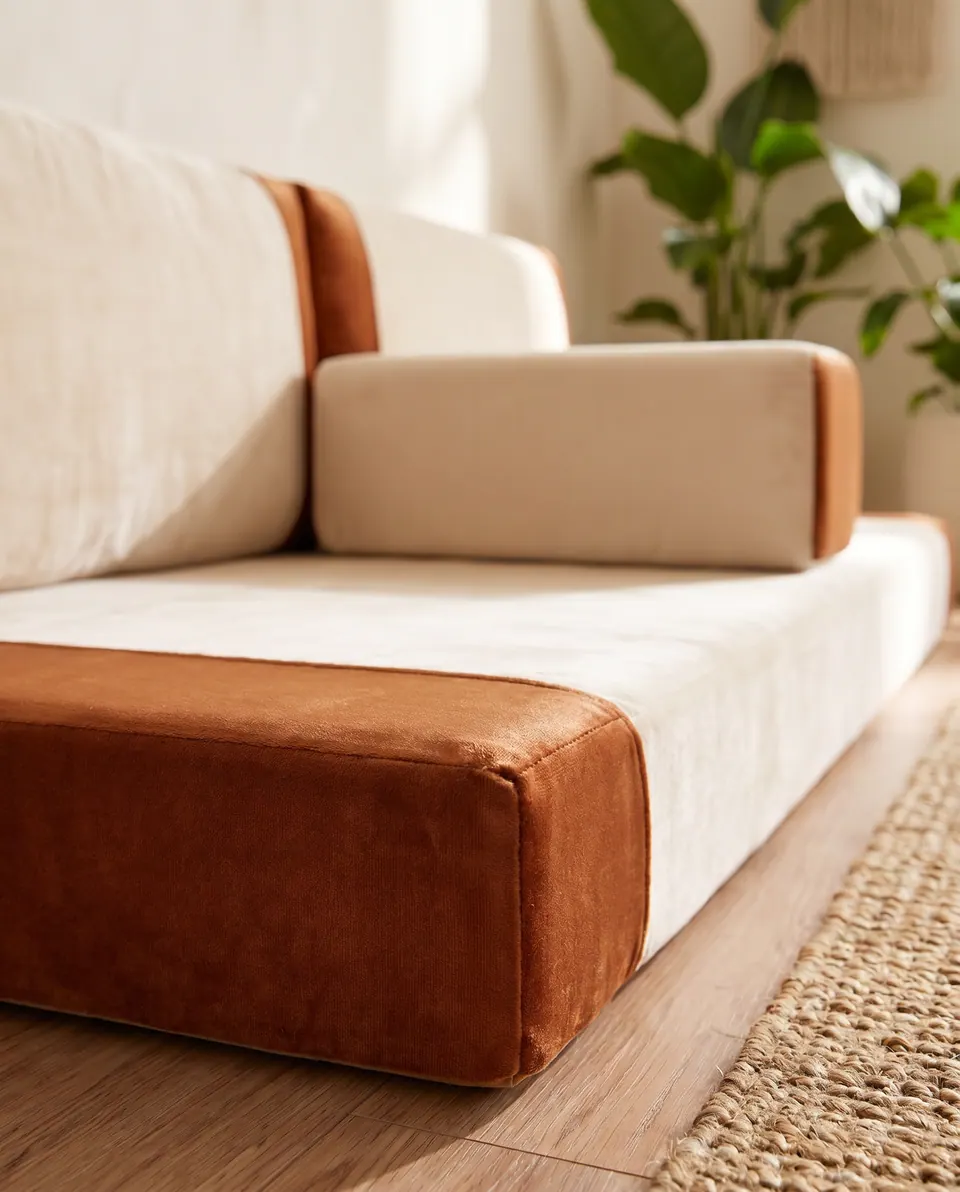
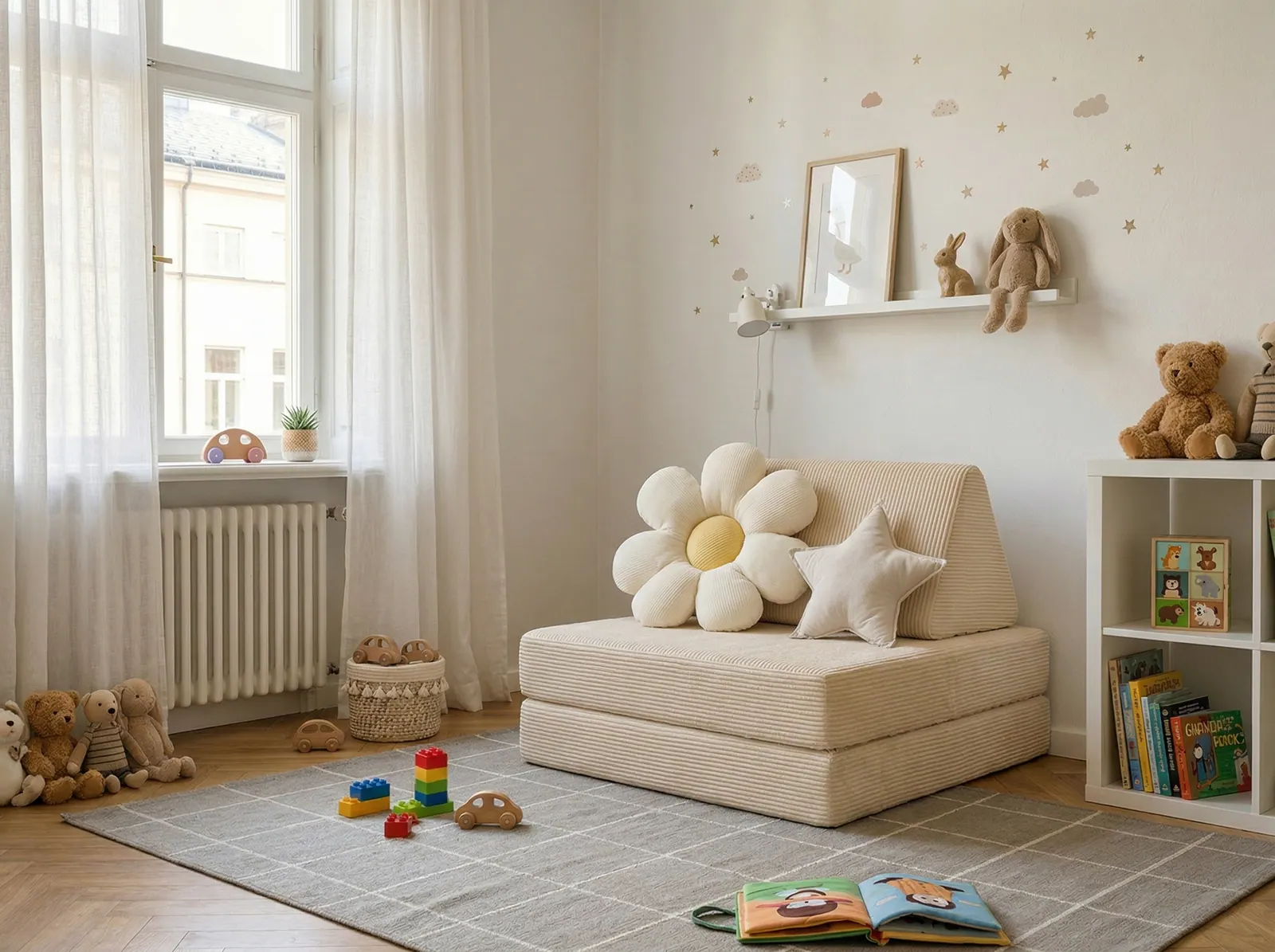
No organic certification is claimed. If natural fiber matters more to you than a label, begin with the linen and cotton-linen charts and the notes on cushions for allergies. For a playroom, the kids' floor sofas page shows the polyester corduroy in its natural habitat.
What the cover fabrics are made of
| Fabric family | Fiber | Chosen for |
|---|---|---|
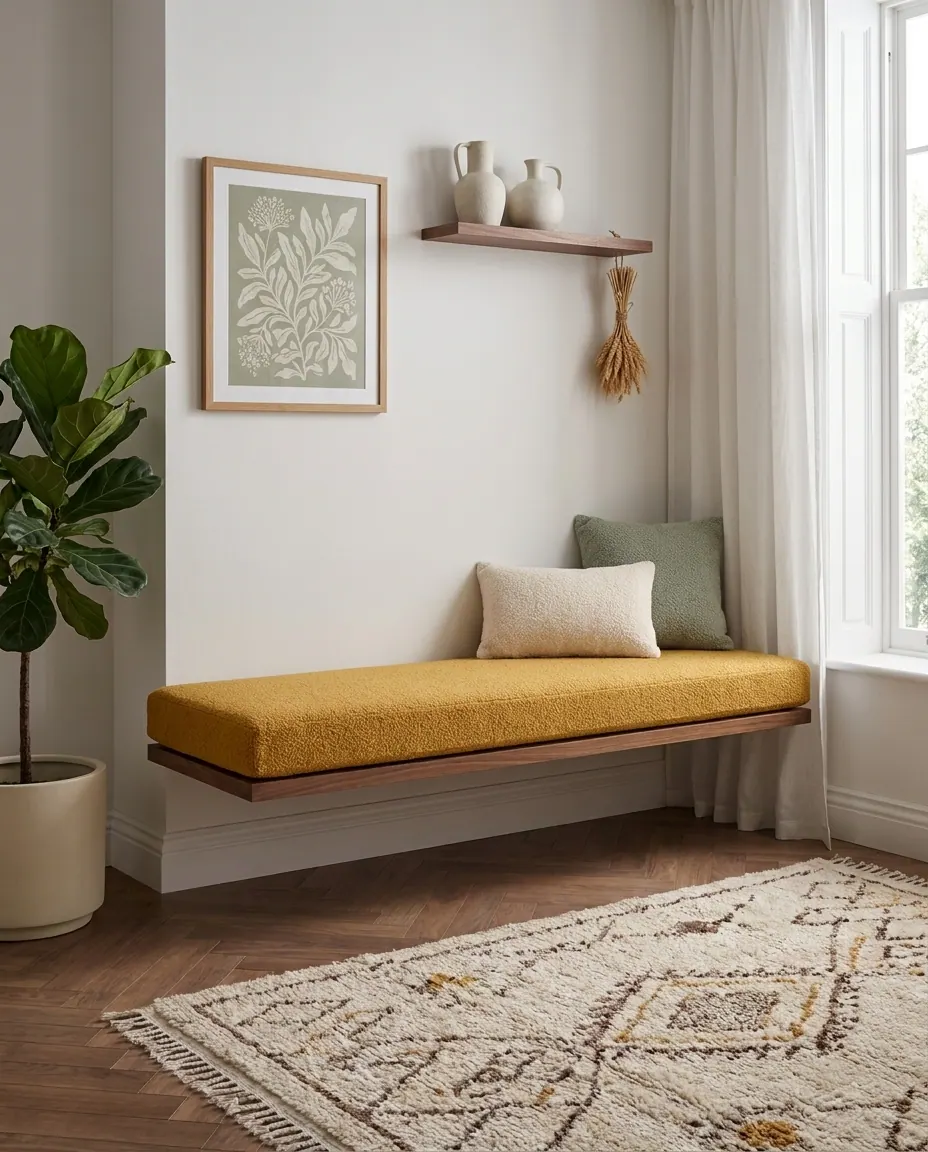
| Velvet, soft fabric, linen-look, corduroy | Polyester or polyester blends | Durability and easy cleaning |
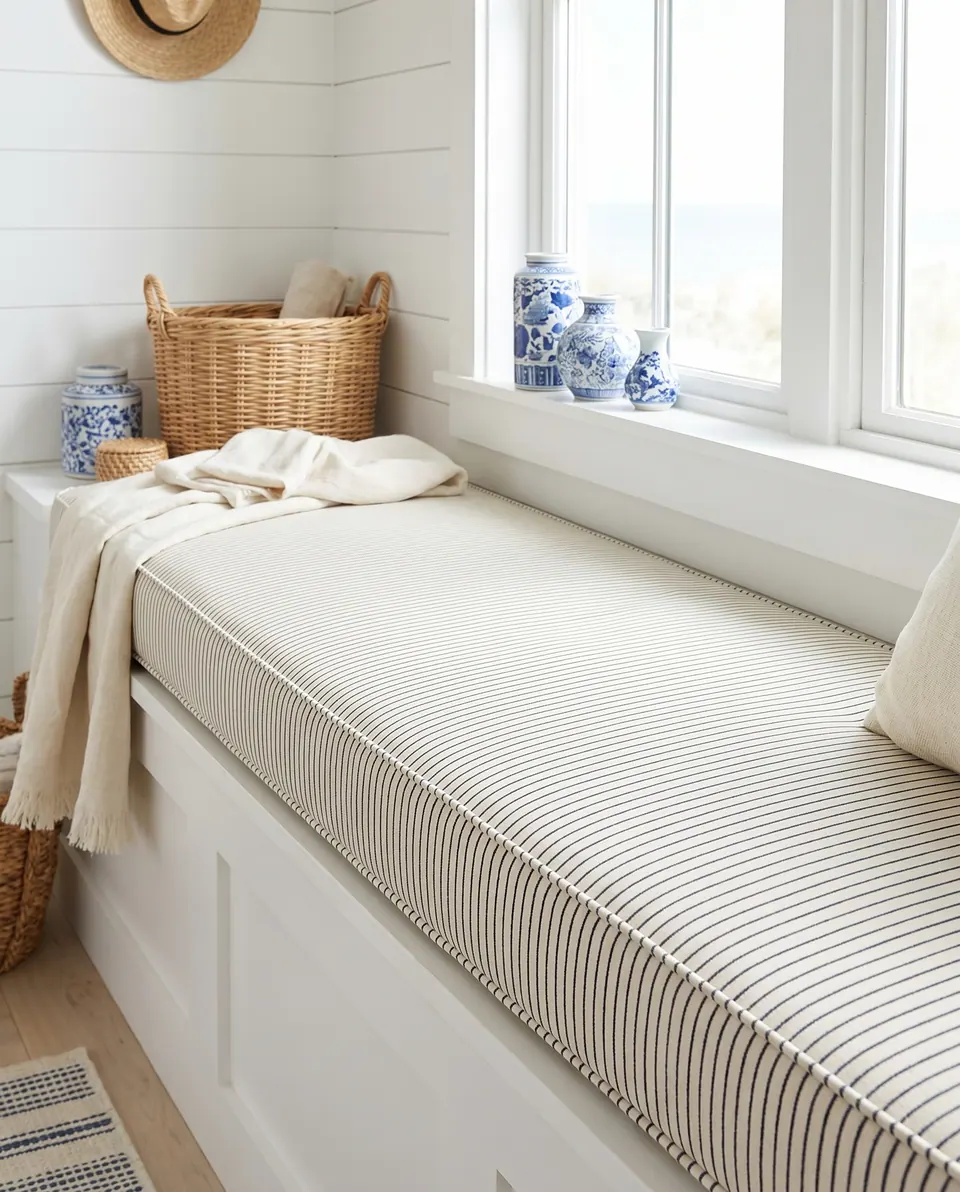
| Striped cottons | 100% cotton | Natural fiber with a crisp hand |
| Cotton-linen | Linen-cotton blend | A natural look with some softness |
| Cotton and linen charts | 100% cotton or 100% linen | Natural fiber through the whole cover |
OEKO-TEX Standard 100 is a textile label: ask which part of a cushion it covers, the fabric or the fill, before you rely on it.
Élodie
Buyer questions
- A common question
Are the foam and fabrics certified?
The workshop's answerThe fabrics come from a mill certified to OEKO-TEX Standard 100 (03.T.3239). For the foam, the workshop can tell you what documentation applies to your order; ask before you buy if it matters to you.
- A common question
Are your cushion materials certified organic?
The workshop's answerNo organic certification is claimed. The linen cushions are made from real linen, and the fabrics come from a mill certified to OEKO-TEX Standard 100 (03.T.3239).
- A common question
Is the corduroy on the kids' corner floor sofa cotton or polyester?
The workshop's answerPolyester, chosen because it's durable and easy to care for. Like the other cushion fabrics, it comes from a mill certified to OEKO-TEX Standard 100 (03.T.3239), and the certificate can be checked on the OEKO-TEX website.
- A common question
Which fabric is easiest to keep clean with kids and pets?
The workshop's answerIndoors, soft fabric: durable, smooth, it doesn't collect dust and it wipes clean. Velvet is also easy to clean and pet-friendly, and water-resistant charts exist. Covers wash at 86°F (30°C).
Questions buyers ask next
Does OEKO-TEX mean a cushion is organic?
No. OEKO-TEX Standard 100 is about testing textiles for harmful substances; organic certification is a separate matter of how the fiber is grown and processed. The workshop claims no organic certification for its cushions.
How do I verify an OEKO-TEX certificate?
Ask the workshop for the certificate number that applies to your fabric, then enter it in the label check on the OEKO-TEX website. The result shows who holds the certificate and whether it is currently valid.
Are there natural-fiber cushion fabrics to choose from?
Yes. Besides the polyester and poly-blend velvets, corduroys and linen-looks, there are 100% cotton stripes, linen-cotton blends, and separate 100% cotton and 100% linen charts. All of them wash at 86°F (30°C).