The Cutting Table · compared on the table
Will the fabric color look the same in real life as on my screen?
Also asked as:Are the sample colors true to real life?It looks more purple than eggplant on my screen.
Close, but not always exactly. A screen glows; cloth only reflects. Here is how the workshop closes the distance between the two before anything is cut.

 Save
The quick answer
Not always exactly: a fabric color can look slightly different in person than on your screen, because device screens, lighting and daylight all shift how cloth reads. Digital swatches can look lighter or darker than the real fabric. Ask for real-life photos, confirm the shade from a photo of your actual fabric before production, or order a swatch to see it in your own room.
Five ways to see the real shade, from quickest to surest
| Method | What it shows | What it can't show |
|---|---|---|
| The digital swatch on the listing | The color family and its code | True lightness: it can read lighter or darker than the cloth |
| Real-life photos of the fabric on cushions | The cloth on a finished shape | Your room's light, floors and walls |
| Body and piping swatches photographed together | How two codes sit side by side | Exact tone on your own screen |
| Photo of your actual fabric before production | The exact cloth your cushion will be cut from | How it sits beside your wood, paint and rug |
| A fabric swatch in your own room | The shade in your light, morning to lamp-light | Nothing that matters; it is the surest check |
Key facts
- Colors can look slightly different because of screen settings and lighting.
- Digital swatches can read lighter or darker than the real fabric.
- The listings carry a color disclaimer.
- Before production, the workshop sends a photo of the actual fabric or finished piece to confirm.
- If a shade won't suit the room, the workshop suggests alternatives.
- A fabric swatch is the safest way to check a color in your own room.
- Fabric swatches are roughly palm-sized, about 4 x 4 to 6 x 6 in (10 x 10 to 15 x 15 cm), large enough to judge in your own light.
- The outdoor range alone runs to about 150-200 colors, so neighboring chart numbers can differ only in tone.

Have it made
Have Élodie’s workshop cut this for you
Describe the room at four in the afternoon: the floor, the wall, the one color you love. That is where a good fabric choice begins. — Élodie
Leave your details and the workshop will call you to confirm measurements, fabric, foam and piping. No prices, dates or payment on this page: it is a request, not an order.
Why eggplant turns purple on a phone
A screen makes color out of light. Cloth can only give back the light your room gives it. So a buyer's eggplant can glow toward violet on a bright phone, and a deep indigo can sink toward black on a dim laptop. The fabric never changed; the window did.
That is why every listing carries a color note, my friends, and why a digital swatch can read lighter or darker than the real cloth. Daylight never lies; your screen sometimes does. The screen vs daylight Pattern goes deeper, and metamerism names the stranger cases where two fabrics match under one light and part ways under another.
How the workshop confirms your shade
Narrow to two or three codes
The workshop prefers you choose, since color is personal, but it will suggest codes and send close-ups on request.
Ask for real-life photos
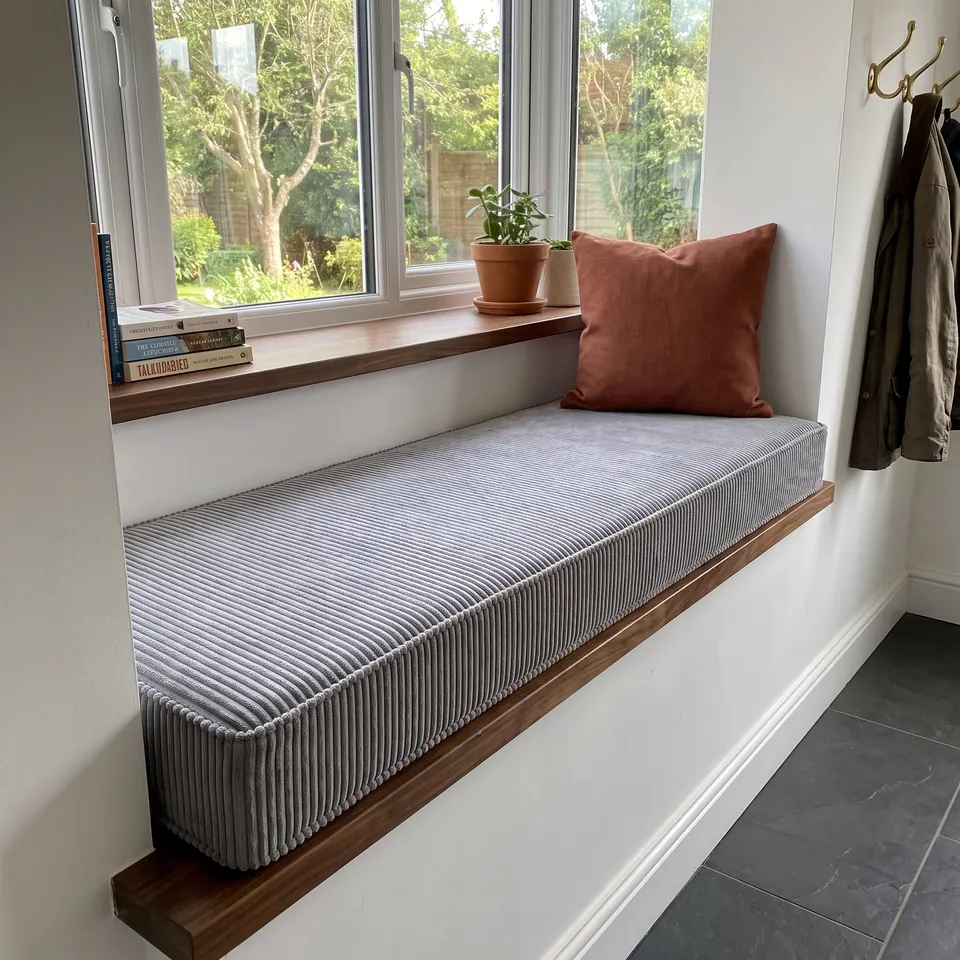
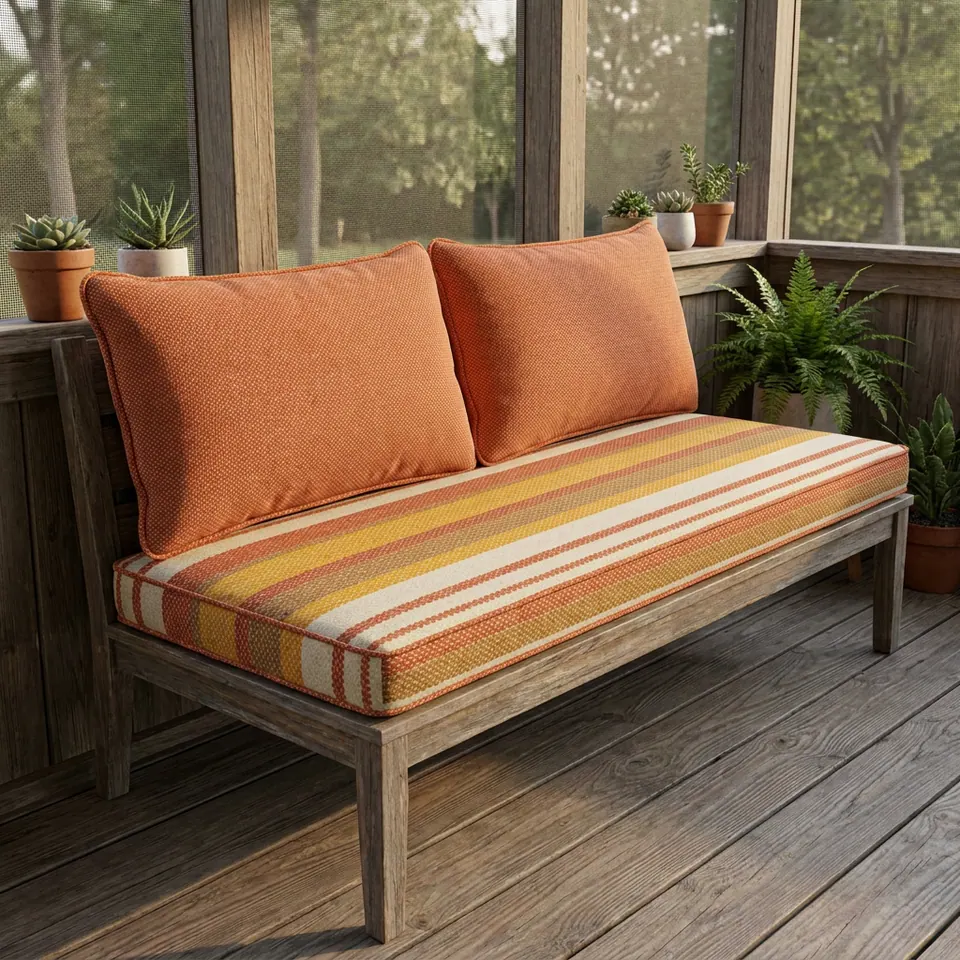
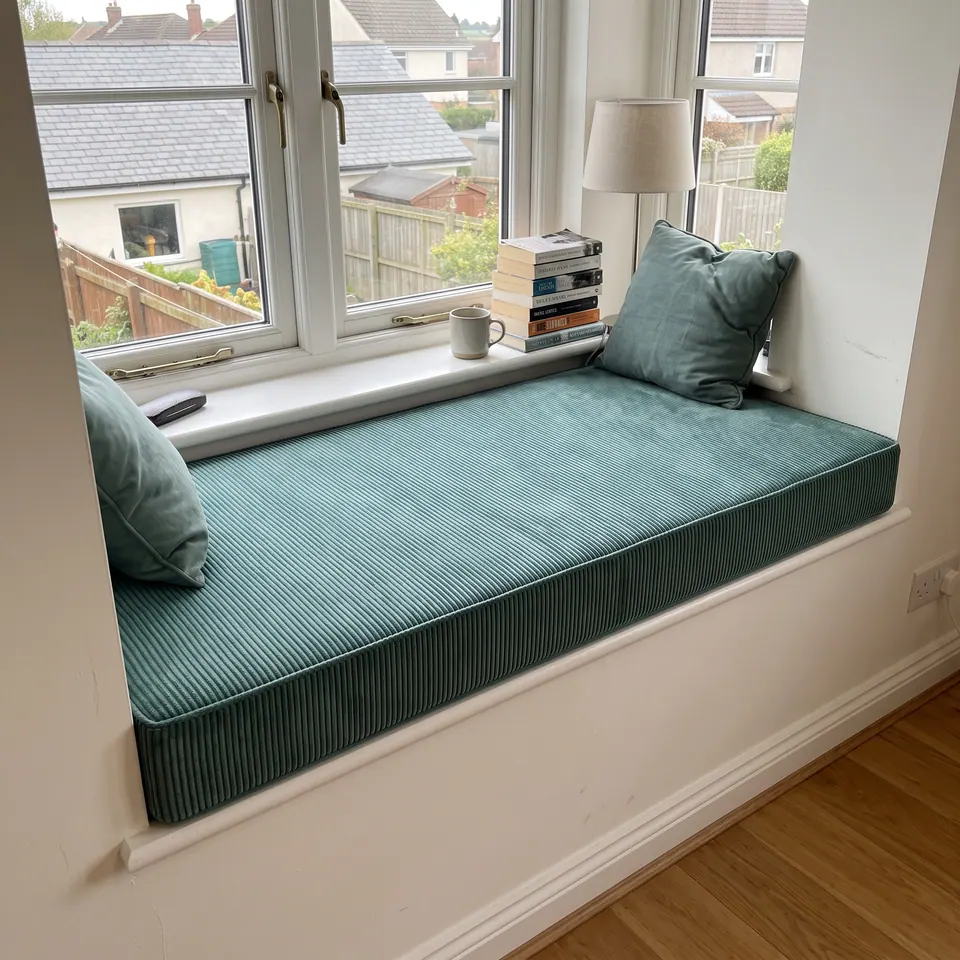
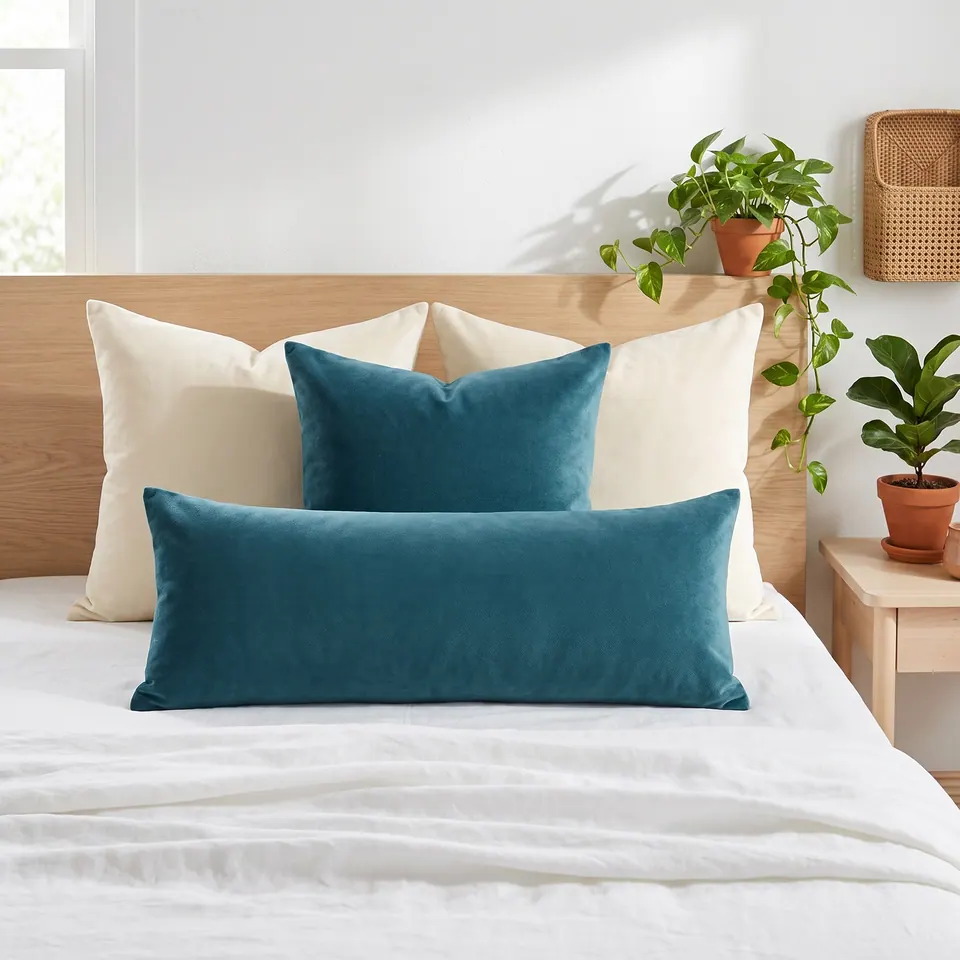
Photos of the fabric on finished cushions show it away from the screen's glow.
Confirm before production
A photo of the actual fabric or finished piece comes before anything is cut. Confirm it, or pick another shade.
Order a swatch for a tricky room
Wood floors, warm paint, low light: see the cloth there first. Ordering swatches explains how.
When the shade is right but the room disagrees
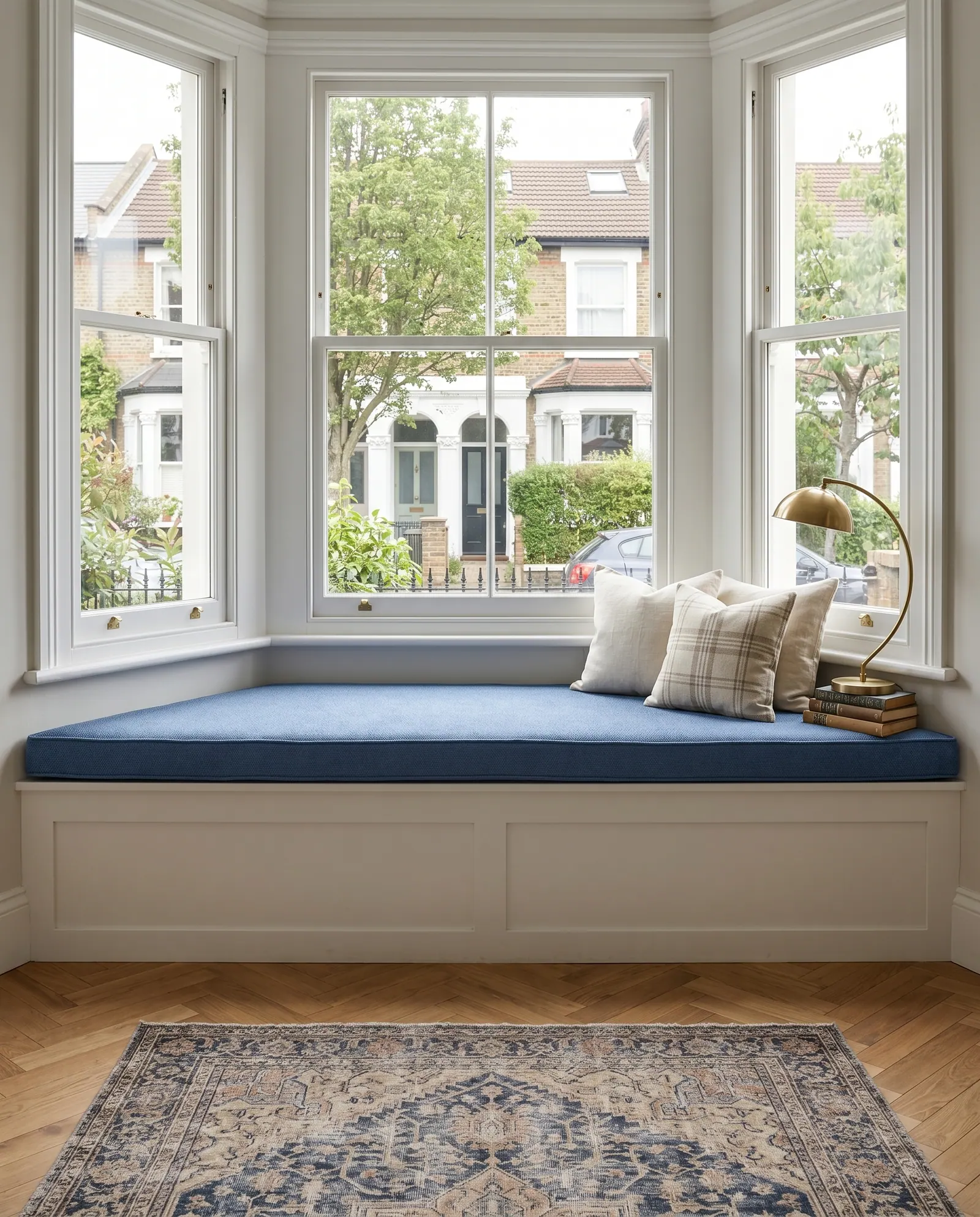
Sometimes the color is exactly its code and still disappears, a shade that blends into the wood floors, as one buyer worried. The workshop will say so and suggest alternatives if a shade won't suit your room. Any color on the charts can be made on any cushion at no extra cost; order with its fabric code. Outside the charts, send a reference image and the closest shade is suggested. What sits beside your cushion: oak, walnut or painted white?
Fabric color on a screen is a close guess, not a promise: before production, ask for a photo of the actual cloth, or order a swatch for your own room.
Élodie
Buyer questions
- A common question
My screen and the swatch don't agree. Which color is right?
The workshop's answerDigital swatches can read lighter or darker depending on screens and light. Before production the workshop sends a photo of the actual fabric or finished piece so you can confirm or choose another shade, and it suggests alternatives if the shade won't suit your room.
- A common question
Is the color going to match my screen exactly?
The workshop's answerSlight differences can happen because of screens and lighting, which the listing notes. Ordering a swatch first is the safest way to check a color in your own room.
- A common question
Does the fabric look the same in person as in the photos?
The workshop's answerThere can be small differences due to daylight, so the workshop sends real-life photos of the fabric on cushions and suggests fabric samples.
- A common question
Can I see my fabric and piping together before I order?
The workshop's answerYes. The body fabric and piping swatches are photographed side by side, in as many combinations as you need. There are no AI mockups, so samples remain the safest check for exact tone.
- A common question
Could you just pick the color for me?
The workshop's answerThe workshop prefers that you choose, since color is personal, but it will suggest codes on request and send close-ups. Narrow your list to two or three codes; you can switch before production.
Questions buyers ask next
Why does one fabric look different on my phone and my laptop?
Each device renders color with its own screen settings and brightness, so one digital swatch can read lighter on one and darker on another. The cloth itself doesn't change, which is why a photo of the real fabric or a physical swatch settles it.
Can I change the color after seeing a photo of my fabric?
Yes, before production. The workshop sends a photo of the actual fabric or finished piece for you to confirm, and you can pick another shade at that point. It also suggests alternatives if the color won't suit your room.
Does a color outside the charts cost extra?
Any color on the workshop's charts can be made on any cushion at no extra cost; order with its code. For a color outside the charts, send a reference image and the closest available shade is suggested.